
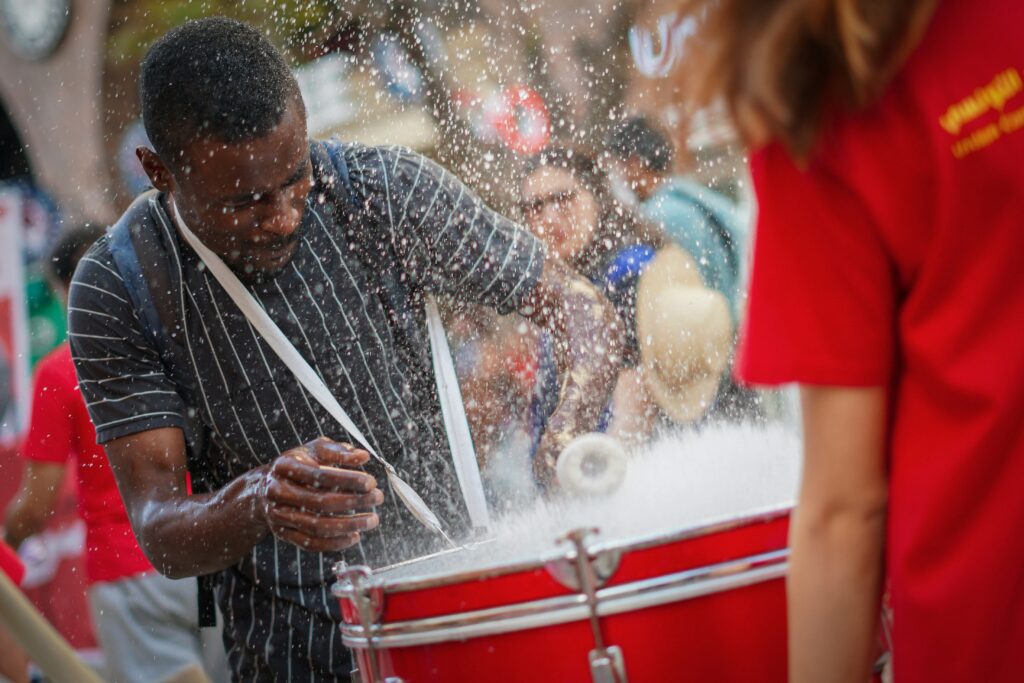
Museums close at a set time, and restaurants have a menu you can read in advance, but the beauty of a live music bar is that you’ll find something unique in all the great ones.
That unpredictability is exactly why live, local music tells you more about a place than most guidebooks manage.
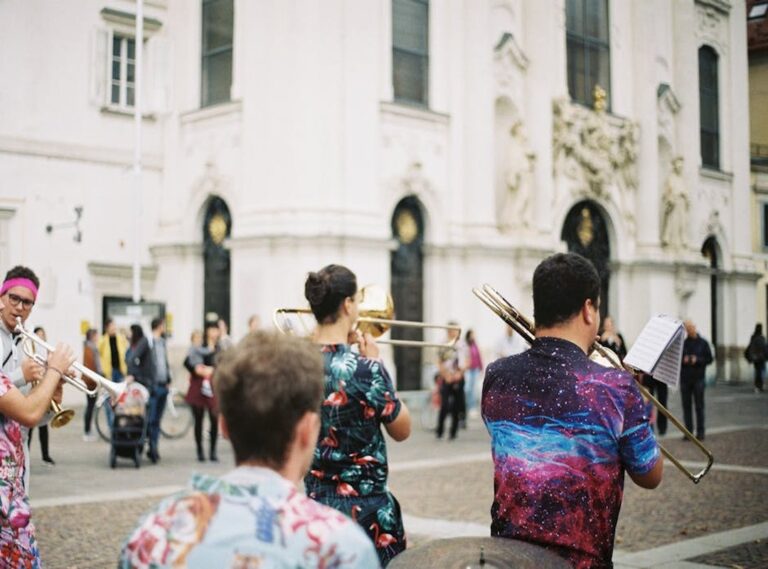
Live music is well, live; even if it is something you have never heard before, it can feel more captivating than what you normally listen to, especially if it gets the crowd on its feet. And if the locals love it, there’s a good chance that type of music is woven into the fabric of the place you are visiting.
There’s also the social layer. A good venue puts you shoulder to shoulder with locals rather than other tourists. You end up talking to the person next to you about the band, then about the city, then about where to get food after. That kind of unscripted conversation rarely happens in a queue for a famous landmark.
Go Off Road and Follow the Sound
Don’t rely on top-ten lists to lead you to the good tunes. Ask a bartender what’s on tonight. Check a venue’s Instagram instead of its homepage, since that’s usually where the real schedule lives, updated night to night rather than season to season. Look for places that host music every single night rather than just Friday and Saturday, because that consistency usually means it’s part of the culture, not a special event put on for visitors.
Dublin is a good example of a city where this works well. The pub session is practically a civic institution, but it’s not confined to trad music in tourist-heavy spots. Plenty of venues around the city run full lineups every night of the week, mixing singer-songwriters, funk and folk acts, and DJ sets depending on the night. 4 Dame Lane, just off Dame Street, is one of these: live music runs daily, and the upstairs floor turns into more of a club setup on weekends. It’s worth checking their listings before a night out rather than assuming a set schedule, since lineups shift throughout the week.
What to Actually Pay Attention to
Once you’re in the room, a few things are worth noticing beyond just enjoying the set:
- What language is the crowd singing along in, and does it shift between songs?
- Are people requesting songs, and does the band actually take requests?
- Is there a house style, like a particular type of ballad or a genre that keeps reappearing across different acts?
- How the venue treats the space between sets, since that’s often when the most honest conversations happen.
The above are small details, but intricacies that build a more accurate picture of a place than a walking tour script.
It’s Cheaper Than You’d Think
People often steer clear of live music bars because they assume it’ll cost an arm and a leg. But in cities with a strong pub culture, watching live music often adds very little, if any, cost. Think of it this way: you’re paying for a drink, and the music comes with it.
Timing Matters More Than You’d Expect
Weeknights are often better than weekends for actually hearing music clearly and talking to people, since weekend crowds tend to be louder and more focused on the night out itself rather than the act on stage. If you want a real read on what a city’s music scene sounds like day to day, a Tuesday or Wednesday night set is usually a better bet than a Saturday.
Travel guides can tell you what a city looks like. Local music tells you what it sounds like when nobody’s performing for an audience of tourists, which is often the most honest version of a place you’ll get.


























































































































































































































































































































































































































































































































































































































































































































































































































































































































































































































































































































































































 Richard Morrisanters, author at TravelBeautyVision brings a unique perspective to travel and culture. With a passion for exploring hidden destinations, he blends storytelling with modern digital tools to give readers an authentic journey through his writing.