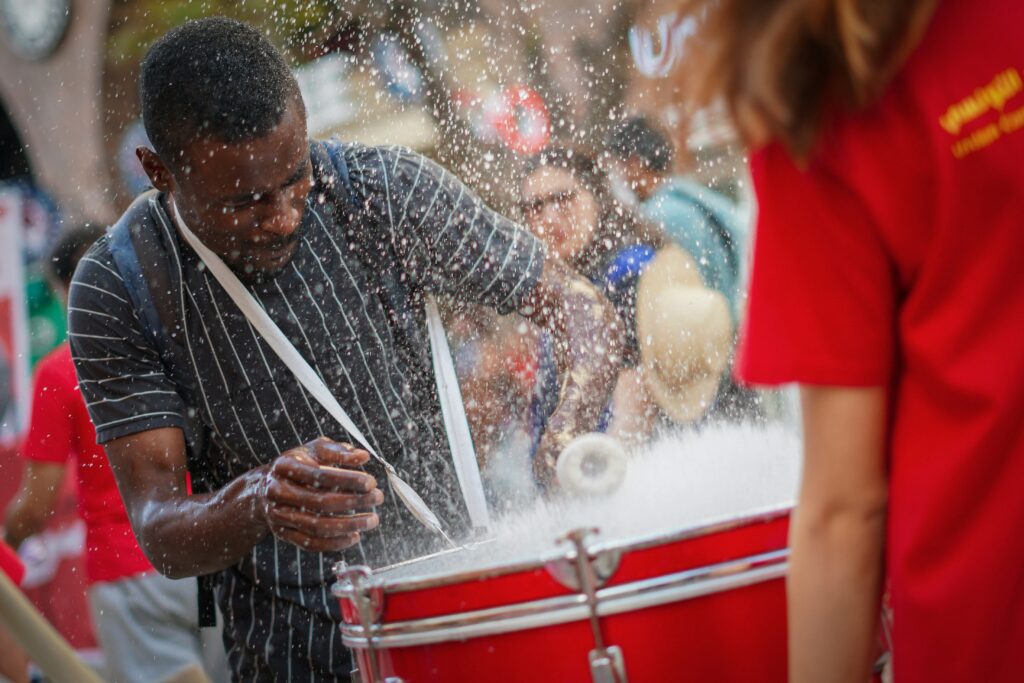

Blurry photos are something almost everyone deals with at some point. You take a picture expecting a clear result, but later notice that the details aren’t quite right. Maybe the subject is slightly out of focus, or the entire image looks soft because of movement or poor lighting. It’s frustrating, especially when the moment itself was important.
In the past, fixing this kind of issue required advanced editing tools and a lot of manual work. Today, things are much simpler. Modern tools can restore clarity and improve sharpness in just a few steps, making it possible to save photos that would have been discarded before.
A practical way to improve photo clarity is to unblur image files using smart enhancement technology that sharpens details, reduces softness, and brings back definition without making images look unnatural.
Why Photos End Up Blurry More Often Than Expected
Blurriness doesn’t always come from poor photography skills. In most cases, it’s a combination of small, everyday factors that are hard to control in real time.
Slight Hand Movement
Even a small shake when taking a photo can affect sharpness.
Low Lighting
Dark environments force cameras to adjust settings that often reduce clarity.
Focus Problems
Sometimes the camera focuses on the wrong subject or fails to lock in quickly enough.
App Compression
Images shared through messaging apps or social media often lose detail automatically.
These issues are extremely common, especially when capturing spontaneous moments.
Why Image Clarity Has Become So Important
In today’s digital space, visuals carry a lot of weight. People often form an impression of content within seconds, long before reading any text.
Clear images help:
- Build stronger trust online
- Improve engagement on social platforms
- Make content look more professional
- Strengthen personal or brand identity
- Increase attention and retention
Blurry visuals can unintentionally weaken even high-quality content, simply because they appear less polished.
How Modern Tools Fix Blurry Images
Traditional sharpening tools often worked by increasing contrast around edges, which could make images look harsh or artificial. Modern enhancement tools take a more intelligent approach.
Instead of applying one general filter, they analyze the image and improve specific areas that need correction.
They typically:
- Restore edge clarity
- Reconstruct fine details
- Reduce unwanted softness
- Improve overall sharpness
- Balance the final look naturally
The goal is to improve the image without making it feel overly edited.
Real Situations Where Fixing Blur Makes a Difference
Image restoration is useful in many everyday scenarios.
Personal Memories
Old or slightly blurry family photos can be brought back to life with improved clarity.
Travel Photography
Many travel moments are captured quickly, often resulting in imperfect but valuable images.
E-Commerce Content
Clear product photos help customers see details and make confident decisions.
Social Media Posts
Sharper visuals stand out more in crowded feeds and tend to perform better.
Professional Use
Headshots, portfolios, and presentations all benefit from improved image quality.
In many cases, restoring blur turns a weak image into something usable and impactful.
Simple Ways to Prevent Blurry Photos
While enhancement tools are powerful, starting with a better photo always helps.
Keep Your Hands Steady
Stability reduces motion blur immediately.
Use Good Lighting
Natural light helps produce sharper, cleaner images.
Focus Before Capturing
Tap to focus on your subject for better accuracy.
Avoid Digital Zoom
Zooming digitally reduces image quality significantly.
Take Multiple Shots
Shooting several versions increases your chances of getting a sharp result.
These small habits can greatly improve your photos before editing even begins.
Why Subtle Editing Produces Better Results
When fixing blurry images, it’s easy to overdo sharpening. Too much adjustment can make photos look artificial or overly processed.
The best results usually:
- Keep textures natural
- Improve clarity gradually
- Avoid harsh edges
- Maintain realistic lighting
Good editing should enhance the image quietly, not change its character.
The Role of AI in Image Restoration
Artificial intelligence has changed how image correction works. Instead of simple filters, AI can now understand patterns in an image and rebuild missing detail more intelligently.
This allows users to:
- Fix slightly out-of-focus photos
- Improve low-resolution images
- Restore compressed files
- Enhance older photographs
As technology improves, high-quality photo restoration is becoming faster and more accessible to everyone.
When a Blurry Photo Is Worth Saving
Not every blurry image should be deleted. Sometimes the emotional or practical value is more important than technical perfection.
You may want to restore photos that capture:
- Special life moments
- Rare or candid memories
- Important events
- Travel experiences
- Valuable business content
With modern tools, many of these images can be improved enough to be used confidently.
Conclusion
Blurry photos are a normal part of photography, but they don’t have to mean the end of a good image. With modern tools, restoring clarity and improving sharpness is now quick, simple, and accessible to everyone.
Whether you’re preserving memories or improving professional content, clearer images help you communicate better and create a stronger visual impact.







































































































































































































































































































































































































































































































































































































































































































































































































































































































































































































































































































































































 Richard Morrisanters, author at TravelBeautyVision brings a unique perspective to travel and culture. With a passion for exploring hidden destinations, he blends storytelling with modern digital tools to give readers an authentic journey through his writing.