Why Travel Doesn’t Have to Be Draining
Travel looks good in photos, but the reality can be exhausting. Constant motion, crowded terminals, unpredictable schedules it adds up. The stress isn’t just in your head. Mentally, it can fry your focus and mood. Physically, it can mess with your sleep, digestion, and immune system. That airport anxiety? It’s real, and it wears you down.
Some triggers are consistent: delayed flights, long security lines, uncomfortable time zones, and the feeling of always being on. Jet lag alone can throw off your brain and body for days. And while some stress is baked into the process, most of it can be managed or reduced.
The key isn’t perfection it’s preparation. Learn how to spot your cues and respond early, with techniques that actually work. Whether it’s breathing strategies, movement breaks, or just carving out five quiet minutes, small shifts make a big difference. We dive into the practical side of that here: travel stress management.
Breathing Techniques That Work in Any Setting
Travel stress has a way of showing up where and when it’s least convenient mid turbulence, during a crawling customs line, or right before you crash after a long haul flight. Here’s where breath work steps in. You don’t need gear, apps, or a quiet room. Just your lungs and a little focus.
Start with box breathing. Inhale for four, hold for four, exhale for four, hold for four. Repeat. It’s structured, simple, and especially helpful when stuck in crowds or that weird floating zone of turbulence at 35,000 feet. Keeps your nervous system level.
Next: the 4 7 8 technique. Inhale for four seconds, hold for seven, exhale for eight. Use this one before sleep, especially if your brain won’t stop spinning. It activates your parasympathetic system the calm switch and helps you drop into deeper rest faster.
Before a flight or a packed day of transfers, breath focus can take the edge off anticipation. Let your attention rest solely on the sensation of the breath moving in and out. Nothing fancy. Just breathing, on purpose. Sounds minor, but it recalibrates your baseline.
And if you’re in public and don’t want to draw attention, all of these can be done silently, without tools or tech. Close your eyes if you want but you don’t have to. This isn’t about performance. It’s about low key control in an environment you can’t always predict.
Mindfulness on the Move

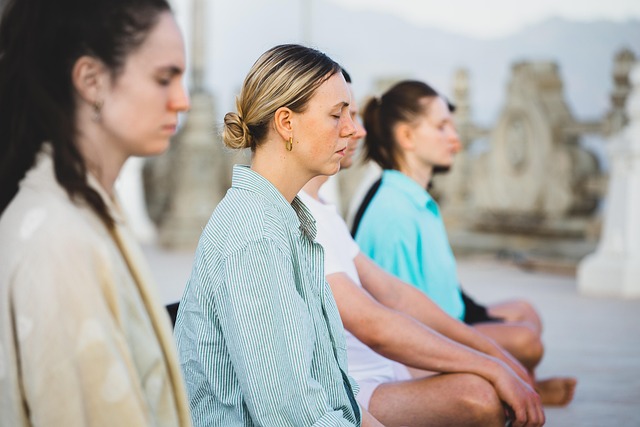
You don’t need a cushion or incense to stay centered while traveling. Meditation can be as simple as closing your eyes for 30 seconds and noticing your breath. Whether you’re in a terminal or on a train, drawing attention inward even briefly calms your nervous system and eases mental noise.
The key is presence. Skip the pressure to “clear your mind” and instead focus on anchoring yourself to sensory details: the feel of your feet on the floor, the temperature of the air, the sounds around you. This works standing in immigration lines as well as walking to your gate. Name five things you see, four you hear, three you can touch simple, fast, grounding.
In new places, unfamiliarity can trigger anxiety. Grounding exercises like lightly pressing your fingertips together or pressing your tongue against the roof of your mouth give your brain a sense of body control. These small resets add up over a long travel day.
For more ways to keep centered while in transit, check More techniques from travel stress management.
Physical Techniques to Reset Fast
When your body stiffens from hours of sitting or waiting, even small movements go a long way. Stretching in cramped places like planes or bus terminals isn’t about touching your toes it’s about giving your joints a fighting chance. Try this: roll your shoulders back slowly, lift your knees one at a time if seated, and do subtle neck circles. If you’ve got room, plant your feet and twist your torso gently side to side. These simple moves keep blood flowing and stiffness at bay.
Tension release routines work well when you’re stuck standing or waiting. Shrug your shoulders up and drop them hard. Clench your fists, then relax everything. Do it three or four times to let your nervous system reset. These are mini movements that calm the body’s stress response without drawing stares.
Walking meditations are the underrated hero of travel calm. You don’t need a park or silent mountain road just awareness. Walk slowly. Notice your gait. Feel your foot hit the ground. Mindful steps help root you in the moment and reset the mental noise that builds up between cities or flights.
And finally, don’t underestimate your hands. Quick acupressure tricks can ease neck and facial tension in less than a minute. Press into the tight spot just below your cheekbone, or roll your thumb under your jawline. Gently pinch your earlobes or rub the base of your skull. These tiny actions do more than you think and don’t require a yoga mat or privacy.
Moving the body, even slightly, brings the nervous system down a notch. Less stress. Better travel.
Digital Detox (Even Just for an Hour)
A break from screens isn’t a luxury it’s a reset button. Travel floods the brain with stimulation. Piling on social media, news feeds, or endless episodes doesn’t help. Stepping away, even midway through a journey, carves out space to breathe and be present. It’s not about ditching tech completely it’s about creating intentional pauses.
Start small. Instead of pulling out your phone at every lull, bring a notebook. Try journaling or jotting down quick sketches of what you see around you. Pick up a lightweight book. Watch people. Listen to your surroundings. These slow, analog moments ground you more than any highlight reel ever could.
For downtime, swap endless scrolling for offline modes. Build playlists ahead of time. Download a guided meditation or two. Audiobooks, especially fiction, can shift your headspace when time zones or transit wear you down.
Most of all, set a soft line between real experience and digital curation. Capture a photo, sure but resist the urge to edit or post right away. That dopamine loop can wait. Real life doesn’t need a filter to be worth paying attention to.
Final Touches for Total Calm
The flight lands, your bag’s on the carousel, and now it’s time to settle in. A few small habits can make the difference between a whirlwind and a trip that actually feels restorative.
Start with a simple comfort kit. It doesn’t have to be fancy. Think: noise canceling earplugs or a soft eye mask, a familiar snack, maybe a calming scent like lavender or eucalyptus (solid or roll on oils beat liquids at security). These little cues tell your brain you’re safe and can start to unwind.
When you arrive somewhere new, create a reset ritual. Not a forty minute routine with six steps. Just a few repeatable moves washing your face, changing clothes, stretching by a window that help your body shift from travel mode into presence. The goal isn’t perfection. It’s signaling to your system: we are here now. Let’s enjoy it.
Stick to what works. In stressful moments, consistency beats complexity every time. One useful breath pattern is better than five you never practice. A go to walking route or a meal you enjoy can anchor you more than jumping at every new experience.
The quieter the mind, the sharper the memory. The most meaningful moments of a trip often come when you feel calm enough to notice them. And those start with habits you build before you even board.








































































































































































































































































































































































































































































































































































































































































































































































































































































































































































































































































































































































































































































































































































































































































































































































































































































































































































































































































































































































































































































 As an author at TravelBeautyVision.com, Roberter Walkerieser focuses on uncovering the beauty of global destinations through insightful narratives. His writing style combines creativity and technology, helping readers connect with places in a more engaging way.