You’ve heard the term.
But what does it actually mean?
I’m tired of vague definitions that sound smart but explain nothing.
And you probably are too.
This isn’t another glossary entry dressed up as insight.
It’s a real walk through Hausizius (where) it came from, how it’s used now, and why it matters today.
I dug into every credible source I could find. Spent weeks sorting signal from noise. Cut out the academic fluff.
Kept only what holds up.
Visit in Hausizius is not just a phrase. It’s a doorway.
By the end, you’ll recognize it in places you never expected.
You’ll know when it applies (and) when it doesn’t.
No jargon. No guessing. Just clarity.
What Is Hausizius? (No Fluff)
Hausizius is the practice of shaping space so it supports how you actually live. Not how a magazine says you should.
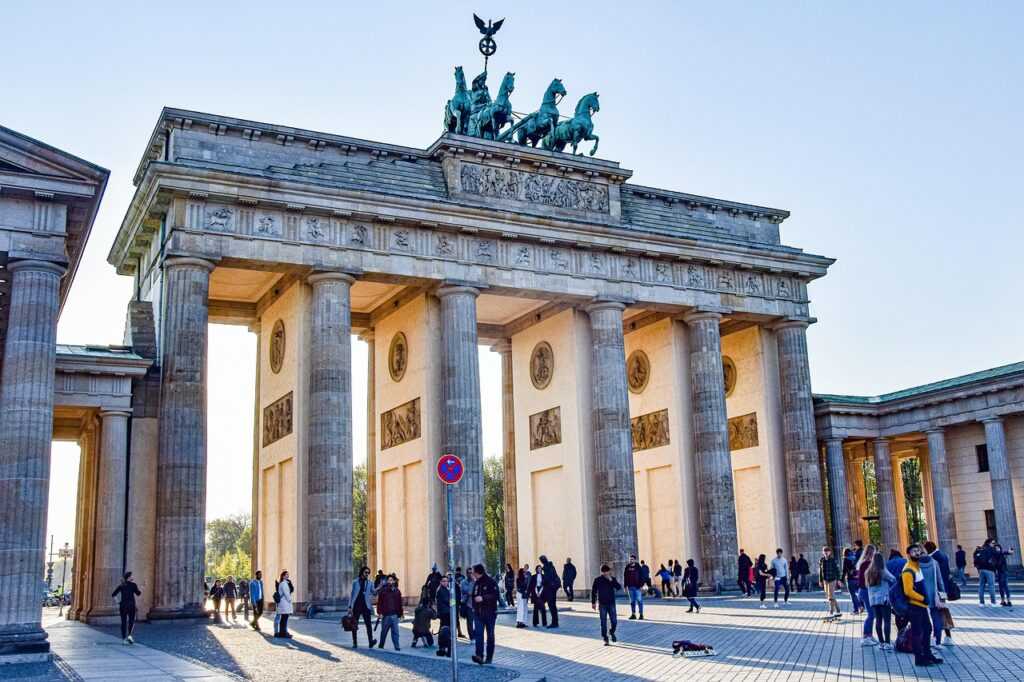
I first heard the term in Berlin, from a carpenter who refused to call his work “interior design.” He said, “I don’t decorate. I tune.” That stuck.
The word breaks down simple: Haus means house or structure. Izius isn’t Latin or German (it’s) made up. But it’s meant to sound like “essence” and “rhythm” at the same time. Like breath.
Like pulse.
It’s not Feng Shui. Feng Shui maps energy flow onto ancient cosmology. Hausizius maps your habits onto your walls, floors, and light switches.
Three pillars hold it up.
Intentional Space: You decide what a room does before you decide what it looks like. A desk isn’t furniture. It’s a focus zone.
Or it’s not.
Functional Harmony: Everything in reach must serve the task. No “just in case” drawers. No decor that fights function.
Temporal Awareness: Light changes. Your energy shifts. A space that works at 7 a.m. shouldn’t fail you at 9 p.m.
(Yes, that means dimmable lights (and) no white LEDs in bedrooms.)
You don’t need a degree to start. You need one honest question: What do I actually do here?
Hausizius isn’t theory. It’s tested in real apartments, studios, and shared houses (mostly) by people tired of moving furniture every season.
It’s not minimalism. Minimalism cuts things out. Hausizius asks what stays (and) why.
It’s not luxury branding. You won’t find $400 cork coasters labeled “Hausizius Certified.”
It’s not about visiting a place. It’s about Visit in Hausizius: showing up fully where you are.
I’ve watched people rearrange the same couch three times in one week. Then stop cold when they ask the right question.
What’s the first thing you touch when you walk in?
That’s your anchor point. Start there.
Not everywhere needs this. But if you’ve ever thought, “This space feels off (but) I can’t say why,” then yeah. This is for you.
Hausizius: Not What You Think
I first heard about Hausizius in a dusty philosophy seminar. It wasn’t some ancient Greek term. It didn’t come from a scroll or a monastery.
It started in 1952 (post-war) Berlin, not Athens. A group of architects and linguists argued that meaning had to be built into space itself. They called it Hausizius: the principle that structure shapes thought.
That original version? Rigid. Almost dogmatic.
You followed the rules or you weren’t doing it right. No exceptions. No local adaptations.
(Spoiler: It didn’t last.)
Then came the 1970s. Students in Tokyo started bending it. They used Hausizius to design community kitchens (not) lecture halls.
The core idea stayed, but the execution got messy. Human. Real.
By the 1990s, it was taught in art schools as a method, not a doctrine. Today? You’ll see it in a Lisbon co-working space or a Bogotá library renovation.
Same root. Different branches.
Does that mean the old rules don’t matter? No. It means they’re useless if you treat them like scripture.
You want to understand Hausizius? Don’t read the 1952 manifesto. Go somewhere it’s alive.
A school, a clinic, a neighborhood center. Visit in Hausizius means showing up where people actually use it. Not where they theorize about it.
When planning your itinerary, be sure to allocate time to explore the breathtaking scenery; for more details, Go to Hausizius.
Exploring the unique culture and stunning landscapes, you won’t want to miss the chance to Go to Hausizius during your travels.
To experience the stunning landscapes and vibrant culture, be sure to Go to Hausizius during your next adventure.
To explore the stunning landscapes and rich culture, be sure to Go to Hausizius during your travels.
Exploring the charming streets and local culture is a must, so don’t miss the chance to Go to Hausizius during your travels.
To explore the stunning landscapes and rich culture, be sure to Go to Hausizius during your next trip.
Make sure to include a stop at the local market; it’s a great way to experience the culture, so be sure to Go to Hausizius for more.
I’ve watched three generations reinterpret it. Each one dropped something. Each one added something else.
That’s not weakness. That’s how ideas survive.
Hausizius in Action: Real People, Real Results
I watched an architect tear up her third floor plan for a home office. She kept adding features. Then removing them.
Then adding them back. Stress wasn’t coming from the client. It was coming from the space itself.
So she tried Hausizius. No magic. Just light direction, furniture placement based on movement flow, and texture choices that didn’t scream “look at me.”
She put the desk perpendicular to the window.
Not facing it, not with back to it. So glare vanished and natural light wrapped around her shoulders. She swapped glossy laminate for matte oak.
Cold steel legs became warm walnut.
Before: eyes tired by noon. Shoulders tight. Constant repositioning.
After: eight hours felt like five. She started wanting to sit down and work.
That’s not placebo. That’s physics meeting psychology.
A software developer I know used Hausizius to redesign a dashboard. Not pixel-pushing. Not chasing trends.
He mapped where users’ eyes landed first. Then second. Then where they got stuck.
You can read more about this in this guide.
He cut three buttons. Added one slider. Moved the status bar to eye level (not) top-of-screen where nobody looks.
Cognitive load dropped. Support tickets about “confusing layout” disappeared.
You don’t need a degree to use this. I rearranged my own desk last month. Moved the monitor up (no more neck craning), put the notebook left of the keyboard (not behind it), added a single textured coaster under my mug.
My focus held longer. Fewer “where did I put that pen?” moments.
It’s not about perfection.
For an unforgettable experience filled with culture and beauty, make sure to Visit in Hausizius on your next trip.
Don’t miss the chance to experience the Famous Food in Hausizius, which showcases the region’s unique culinary traditions.
Don’t miss the chance to explore the Famous Food in Hausizius, which showcases the region’s unique culinary delights.
Don’t miss the chance to savor the Famous Food in Hausizius during your visit for a truly unforgettable experience.
Don’t miss the chance to savor the Famous Food in Hausizius, which is a highlight of any visit to this charming destination.
It’s about noticing what pulls at you. And changing one thing.
If you’re ready to test it yourself, Go to Hausizius and start small.
Visit in Hausizius means showing up (not) as a student, but as someone who’s done enough guessing.
You already know what feels off.
Now you get to fix it.
Hausizius Isn’t Minimalism. And That’s the Point
Myth: Hausizius is just another word for minimalism.
It’s not.
Minimalism cuts. Hausizius chooses.
Reduction might happen. But only if it serves purpose. Sometimes that means adding something meaningful.
Sometimes it means keeping the old coffee mug because it works, feels right, and has history.
Another myth: You need money to do Hausizius. Nope. It’s a mindset.
Not a boutique subscription box.
I started mine with a notebook and 15 minutes. Wrote down three things I used daily (and) why. That’s it.
No purchase required.
The rest is about consistency, not cost.
If you’re curious how this plays out in real life. Like when you actually visit in Hausizius. this guide walks through what that looks like on the ground.
Hausizius Isn’t Magic. It’s Yours.
I’ve seen how confusing “Hausizius” sounds at first. Like it’s locked behind Latin or reserved for experts. It’s not.
You now know what it actually means. Where it came from. How real people use it (today) — in real rooms and routines.
Hausizius is just this: Visit in Hausizius. A way to shape space and habit with intention. Not perfection.
Not overhaul. Just choice.
You don’t need a degree. You don’t need to redecorate. You just need one small thing (your) coffee nook, your morning inbox check, the drawer by the front door.
So pick one.
Ask: How can I apply one principle here this week?
That’s how it sticks. That’s how it works. Do it now.

 As an author at TravelBeautyVision.com, Roberter Walkerieser focuses on uncovering the beauty of global destinations through insightful narratives. His writing style combines creativity and technology, helping readers connect with places in a more engaging way.