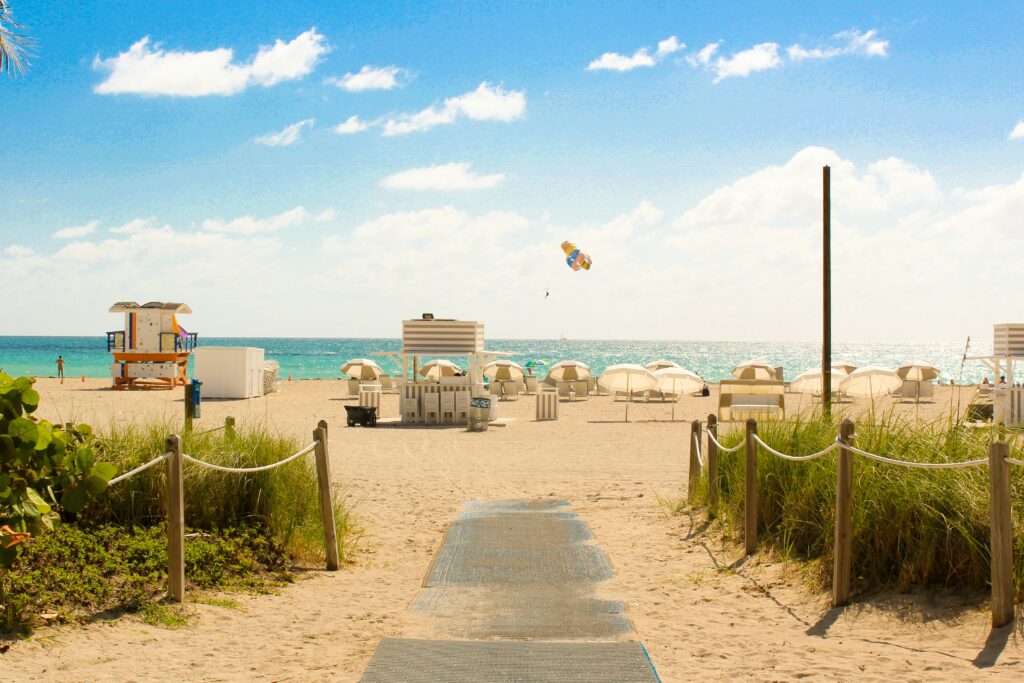
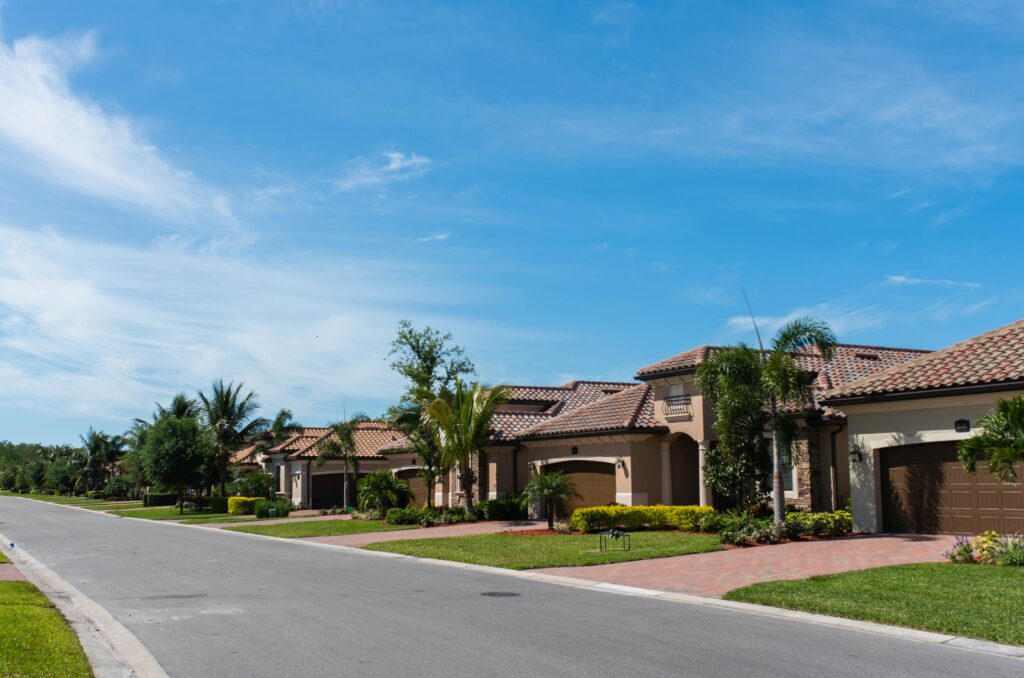
Florida and South Carolina rank among the most sought-after coastal states for vacation home buyers in the United States. Whether you are chasing year-round sunshine, strong rental income, or a personal retreat, coastal real estate and vacation home opportunities in Florida and South Carolina deliver a compelling combination of lifestyle and investment value.
Key Takeaways
- Florida and South Carolina coastal markets attract buyers for lifestyle, rental income, and long-term appreciation.
- Barrier islands, beach towns, and resort communities each carry distinct risk and reward profiles.
- Property taxes, insurance costs, and HOA fees vary significantly between states and localities.
- Short-term rental regulations differ by municipality, so research local rules before purchasing.
- Working with a regional specialist increases your chances of finding undervalued coastal properties.
- Financing a vacation home requires a larger down payment and stricter qualification standards than a primary residence.
Why Buyers Are Targeting These Two Coastal States
Both Florida and South Carolina have posted consistent population growth over the past decade, and that momentum has carried directly into coastal property demand. Florida benefits from no state income tax, which makes it especially attractive to retirees and remote workers relocating from high-tax states like New York and California. South Carolina, meanwhile, offers a lower overall cost of living, favorable property tax rates for primary residents, and a coastline that stretches from Myrtle Beach down through Hilton Head and Beaufort.
In Florida, markets like Naples, Sarasota, and the Florida Keys continue to attract high-net-worth buyers looking for luxury waterfront properties. More affordable entry points exist in the Panhandle, particularly in areas like Panama City Beach and Fort Walton Beach, where vacation rental demand from Gulf Coast tourists remains strong.
South Carolina’s Grand Strand region, anchored by Myrtle Beach, draws millions of visitors annually and supports a thriving short-term rental market. Hilton Head Island sits at the premium end of the South Carolina coastal spectrum, with gated golf resort communities and upscale marinas that appeal to buyers prioritizing exclusivity and long-term appreciation.
Key reasons buyers are drawn to these markets include:
- No state income tax in Florida
- Warm climates that support year-round rental seasons
- Strong tourism infrastructure in both states
- Relatively accessible price points compared to Northeast coastal markets
- Growing remote work culture expanding the buyer pool
How Vacation Home Financing Works in These Markets
Purchasing a vacation home is a fundamentally different process from buying a primary residence. Lenders typically require a down payment of at least 10 to 20 percent, and your debt-to-income ratio must account for both your existing mortgage and the new property. If you plan to rent the home out, some lenders will factor projected rental income into your qualification, though the rules vary by loan program.
Flood insurance is a critical line item in both Florida and South Carolina. Properties in designated FEMA flood zones require separate flood coverage on top of standard homeowners insurance. In some coastal Florida zip codes, annual flood insurance premiums have risen substantially, which has a direct impact on your total carrying costs and should factor into any cash flow projections.
If you are comparing coastal markets across both states, consulting with a regional real estate firm like NV Realty Group gives you access to hyper-local knowledge that national platforms simply cannot replicate, with insight into community-level dynamics that affect purchase decisions.
Buyers should also be aware of the distinction between investment properties and second homes in the eyes of lenders. A true second home is one you intend to occupy personally for a portion of the year. An investment property is one primarily rented out. The two categories carry different interest rates, tax treatment, and underwriting standards.
Comparing Florida and South Carolina Markets Side by Side
| Factor | Florida (e.g., Sarasota, Naples) | South Carolina (e.g., Hilton Head, Myrtle Beach) |
| State Income Tax | None | None |
| Average Coastal Home Price | Higher, especially Gulf-side | Generally lower entry points |
| Short-Term Rental Market | Very active, regulated by city | Active, varies by municipality |
| Hurricane Risk | Higher, especially southern counties | Moderate, primarily storm surge |
| Property Tax Rate | Moderate; homestead exemption helps primary owners | Low, with 4% primary resident rate |
| HOA Communities | Common in resort areas | Very common in Hilton Head and Myrtle Beach |
| Flood Insurance Requirement | Frequent in coastal zones | Required in many low-lying areas |
This comparison highlights that neither state is universally superior. The right market depends on your budget, intended use, risk tolerance, and investment timeline. Florida offers a larger rental pool and more diverse price tiers, while South Carolina can provide lower upfront costs and a quieter, less competitive buying environment in certain communities.
What to Evaluate Before Making an Offer
Due diligence for coastal real estate and vacation home opportunities in Florida and South Carolina goes well beyond a standard home inspection. The proximity to saltwater accelerates wear on roofing materials, HVAC systems, and exterior finishes, so a thorough mechanical and structural inspection is essential. You should also review the property’s claims history through the seller’s insurance records, since repeated flood or wind claims can make future coverage expensive or difficult to obtain.
Short-term rental regulations deserve early attention. Platforms like Airbnb and Vrbo have driven vacation rental income for coastal owners, but local governments have responded with licensing requirements, cap limits, and minimum stay rules. In some Florida beach communities, short-term rentals are permitted only under specific zoning classifications. In South Carolina, municipalities like Folly Beach near Charleston have implemented strict restrictions on rental frequency.
Additional due diligence checklist items:
- Review HOA documents for rental restrictions and fee schedules
- Confirm FEMA flood zone designation and current insurance premium
- Request rental income history if the property has been previously listed
- Evaluate proximity to erosion zones and beach replenishment programs
- Investigate local infrastructure, including utility reliability during storm season
Frequently Asked Questions
Is it better to buy a vacation home in Florida or South Carolina in 2026?
The answer depends on your priorities, budget, and how you plan to use the property.
Florida generally offers a larger short-term rental market and more diverse inventory, from luxury Gulf-side estates to affordable Panhandle condos. South Carolina tends to offer lower entry prices and a calmer buying environment in markets like Pawleys Island and Beaufort, making it attractive for buyers who want value without heavy tourist crowds.
How much do I need for a down payment on a coastal vacation home?
Most lenders require between 10 and 20 percent down for a vacation home, with stricter standards if the property is classified as an investment property.
Your credit score, existing debt load, and whether projected rental income is counted toward qualification all affect the final requirement. Speaking with a mortgage broker who specializes in second homes is the most efficient way to understand your options.
What are the highest hidden costs of owning coastal real estate?
Flood insurance, wind coverage, and HOA fees are the three expenses that most frequently surprise first-time coastal buyers.
Beyond those, saltwater corrosion accelerates maintenance timelines for roofing, siding, and mechanical systems. Budget for higher annual maintenance costs compared to an inland property of similar size.
Can I rent out my Florida or South Carolina vacation home on Airbnb?
Yes, but you must comply with the short-term rental rules specific to the city or county where the property is located.
Some municipalities require a local business license, collect a tourist development tax, and cap the number of rental days per year. Verify the rules before purchasing if rental income is part of your financial plan.