
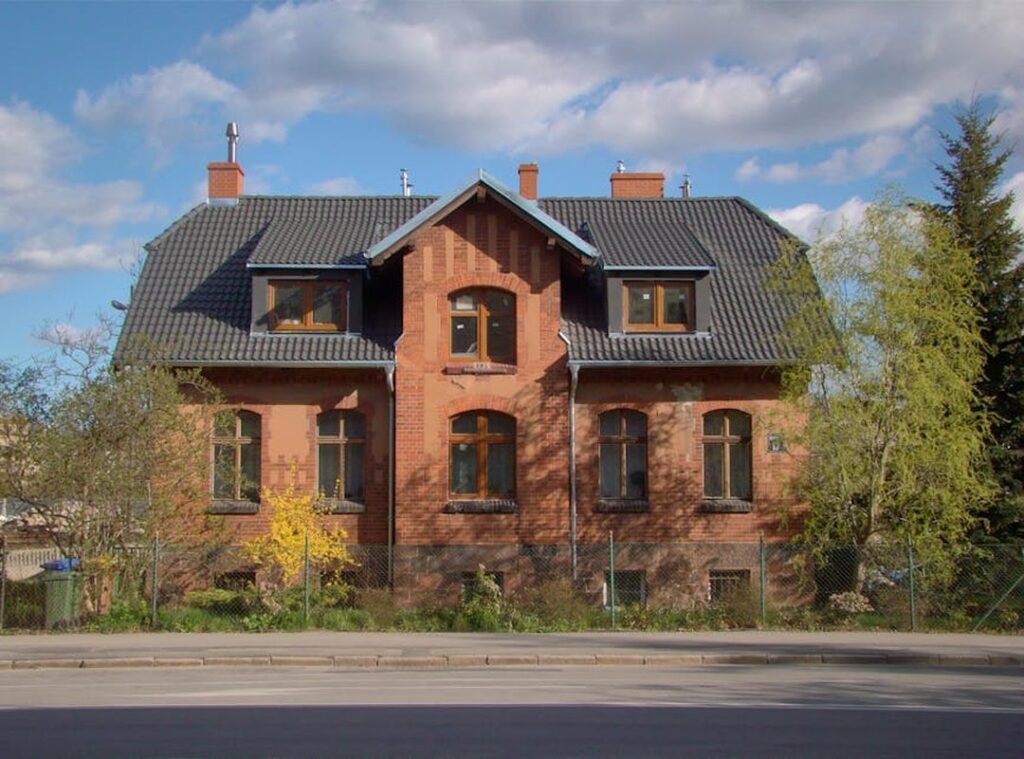
You show up at Hausizius thinking you’ll just walk in and get it.
You won’t.
Most people don’t. They miss the quiet moment by the east wall. They breeze past the old well without knowing why it matters.
They leave wondering why it felt flat (like) they visited a place but not the point of it.
Go to Hausizius isn’t about checking a box. It’s about showing up ready.
I’ve spent years here. Not just visiting. Watching how light hits the courtyard in October.
Hearing which questions repeat every spring. Fixing maps that mislead. Rewriting signs that confuse.
I know what trips people up. I know what makes them pause. I know what changes everything.
This guide tells you exactly what to do before you go, what to notice while you’re there, and what to carry home after.
No assumptions. No filler. Just what works.
I’ve seen visitors come unprepared (and) leave changed.
That only happens when you know what to look for.
So let’s cut the guesswork.
You’ll walk in knowing where to stand. What to listen for. When to sit still.
And why it all adds up to something real.
Why Timing Matters More Than You Think
I’ve walked Hausizius in sleet, golden hour, and full-on festival chaos. It’s not the same place each season. Not even close.
Hausizius opens its garden only from mid-April to early October. Before that? Locked gates and bare branches.
After that? Frost on the stone steps and no guided interior lighting tours.
Archive access shuts down every December 15. January 10. No exceptions.
They don’t post it on social media (you) have to check their official calendar before booking.
Peak local holidays? Avoid Easter week and the first weekend of September. That’s when private weddings book the entire east wing.
You’ll get a map, a smile, and zero access to the library or courtyard.
Here’s what real timing looks like:
| Season | Ideal days/week | Avg. walk time | Photo-friendly? |
|---|---|---|---|
| Spring | 4 (Tue. Fri) | 38 min | Yes (soft) light, green everywhere |
| Autumn | 3 (Wed (Fri) | 42 min | Yes (but) only before noon |
| Winter | 1 (Thursday only) | 29 min | No (overcast,) short days, no garden |
A visitor named Lena rescheduled from July to late May. She told me her July visit would’ve been 90% crowd noise and heat haze. May gave her empty halls, blooming wisteria, and a curator who stayed late to show her the sketchbooks.
What to Bring (and What to Leave Behind)
I wear hiking boots there. Not trail runners. Not sneakers.
The gravel paths near the old gate shift underfoot. You’ll feel it in your ankles if you’re not ready.
Pack layers. A windbreaker. A light fleece.
Weather changes fast (like) when that storm rolled in during my third visit (and yes, I got soaked).
Bring a portable charger. Outlets are scarce. And skip the phone photos for reflection.
A small notebook works better. Your brain stays engaged. Your hands stay busy.
Try it.
No tripods without permission. They block sightlines and scratch the stone floors. No food in historic rooms.
Crumbs attract pests. And yes, we’ve seen ants in the East Wing. Drones?
Banned. They spook the birds nesting in the bell tower.
Download offline maps before you go. Wi-Fi only works in the café and lobby. Audio guides need the app pre-installed.
Test it at home.
Emergency umbrellas? Near the coat check. Restocked daily at 8 a.m.
Hand warmers and first-aid kits? Same spot.
Most people forget earplugs. The chapel acoustics are beautiful (until) the tour group behind you starts whispering loudly. You’ll wish you had them.
this resource. Come prepared (not) perfect, just thoughtful.
Navigating Hausizius Without the Headache
I walked in blind my first time. Got lost twice before finding the coffee bar. Not cool.
Hausizius doesn’t use floor numbers or room names. It uses Historic Core, Reflective Perimeter, and Living Archive Wing. That’s how your brain actually maps it (not) by coordinates, but by feeling.
The Historic Core hits you first. Warm light. Rough stone underfoot.
You’re meant to slow down here. Breathe. This isn’t a hallway (it’s) the beginning of the story.
Then the lighting shifts. Cooler. Softer.
Texture changes from stone to brushed steel. That’s your cue: you’ve entered the Reflective Perimeter. Pause at the east alcove.
Sit. Watch people walk past the glass wall. (Yes, that’s intentional.)
The Living Archive Wing is where things move faster. Brighter signage. More sound.
Less silence. Skip the third alcove if you’re short on time. It’s redundant unless you’re researching textile dye methods.
Staff don’t hover. They wear navy scarves. If you make eye contact and pause, they’ll step in.
If you keep walking? They won’t interrupt. Silence is part of the design.
Not a mistake.
Wheelchair access? Yes. But also: sensory-friendly routes exist.
Quiet-entry doors are marked with a small bronze leaf. Use them.
You want the full 45-minute path? Go to Hausizius. It’s timed, annotated, and skips the filler.
Don’t rush the Core. Don’t ignore the lighting cues. Do ask for the leaf-keyed door if noise overwhelms you.
Questions That Stick: Not Just What You See (But) What You Ask

I ask these four questions every time I walk into a space that’s supposed to mean something.
What does stillness feel like here? Whose voice isn’t represented in this display? What would this look like from the floor (not) the wall?
When did I stop noticing the light?
Answering even one of them changes everything. You stop scanning. You start staying.
Your body slows down. Your eyes narrow in. That’s when meaning starts leaking out (not) from the label, but from you.
Try pairing them with journal prompts on-site.
“I felt my shoulders drop when I noticed…”
“The first thing I wanted to say out loud was…”
Solo visits? All four work. Groups?
Stick to #2 and #4 (they) spark conversation without shutting people down. Pacing matters more than coverage. Always.
One visitor answered #2 at Hausizius and came back three times. First visit: she named two missing voices. Second: she brought photos to add context.
Third: she asked staff if they’d ever considered rotating who writes the labels.
You don’t need a degree to ask better questions.
You just need to pause long enough to hear your own voice.
Go to Hausizius. And bring a pen.
After the Visit: Let It Stick
I don’t believe in souvenir receipts.
What matters is what stays with you after you walk out.
So here’s how I keep Hausizius alive in my daily life:
I write one sentence every Sunday about what shifted.
Sometimes it’s just “The light in Room 4 changed how I see silence.”
That’s the Hausizius echo (no) pressure, no polish.
You don’t need a course or a certificate. Free reading lists live on their site. Archival updates drop monthly.
The forum has actual humans (not) bots. Moderating real talk.
Suggest how a 1923 textile pattern connects to your neighbor’s embroidery. Small things. Real things.
Want to contribute? Share an anonymized reflection. Flag a door that’s hard to open.
Your feedback goes straight to the curatorial team. They meet every six weeks. Changes happen.
Like adding benches last fall. Because someone said, “My knees hurt here.”
The value isn’t in documenting the visit.
It’s in letting it settle.
If you’re planning your first time, Visit in gives you the quiet details most guides skip.
Go to Hausizius when you’re ready (not) when you think you should be.
Hausizius Is Ready When You Are
I’ve been there. Standing at the gate, unsure if I’d packed right. Wondering if I’d picked the wrong week.
You don’t need to know everything first.
Just start.
Timing awareness. Intentional packing. Zone-based navigation.
Reflective questioning. These aren’t hoops to jump through. They’re your anchors.
You already know which part trips you up most. Is it checking seasonal availability? Downloading the map?
Writing your first journal prompt?
Pick one. Do it now.
That hesitation you feel? It’s not a warning. It’s just your body remembering how much this place matters.
Go to Hausizius
It doesn’t wait for perfect conditions. It meets you where you are, if you show up ready to notice.

 As an author at TravelBeautyVision.com, Roberter Walkerieser focuses on uncovering the beauty of global destinations through insightful narratives. His writing style combines creativity and technology, helping readers connect with places in a more engaging way.