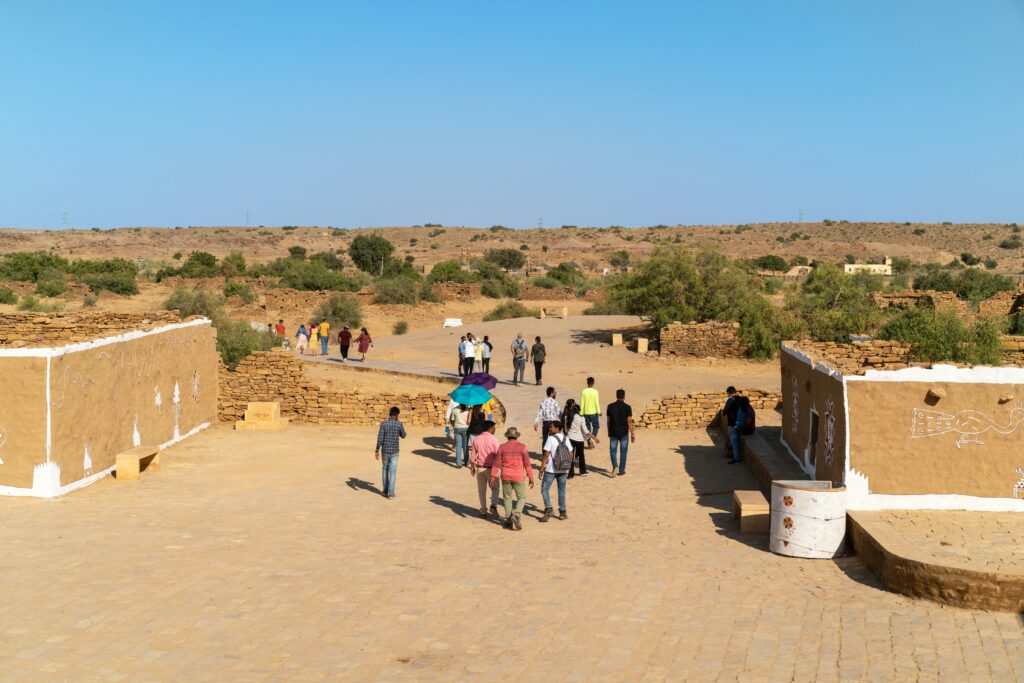
Why Surface Level Travel Falls Short
The Problem With Checklist Tourism
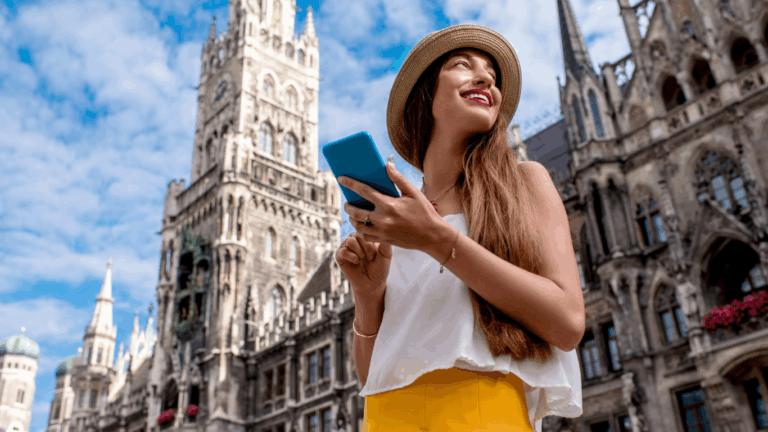
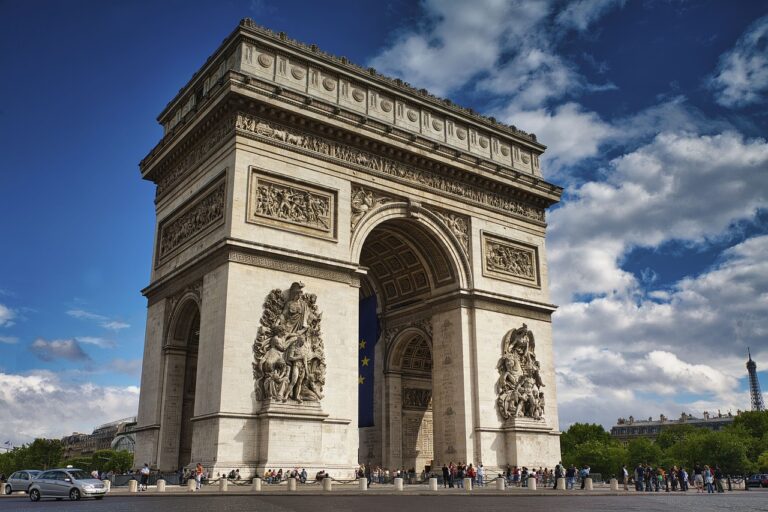
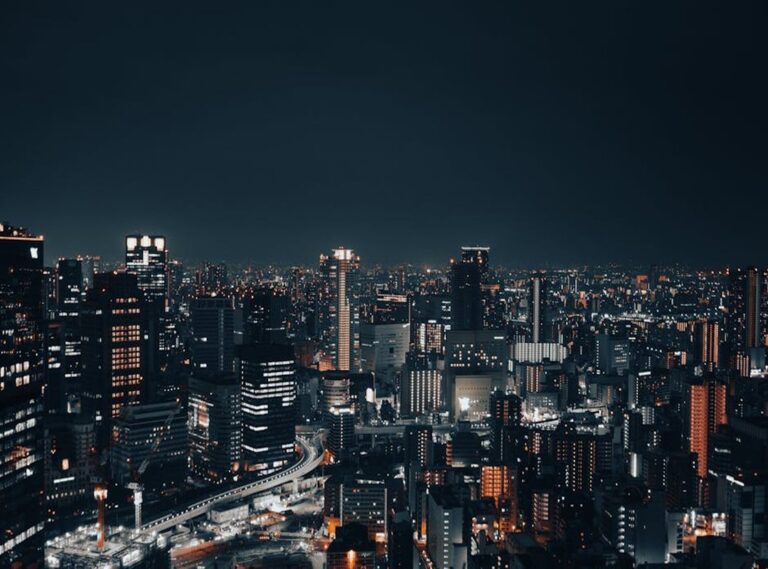
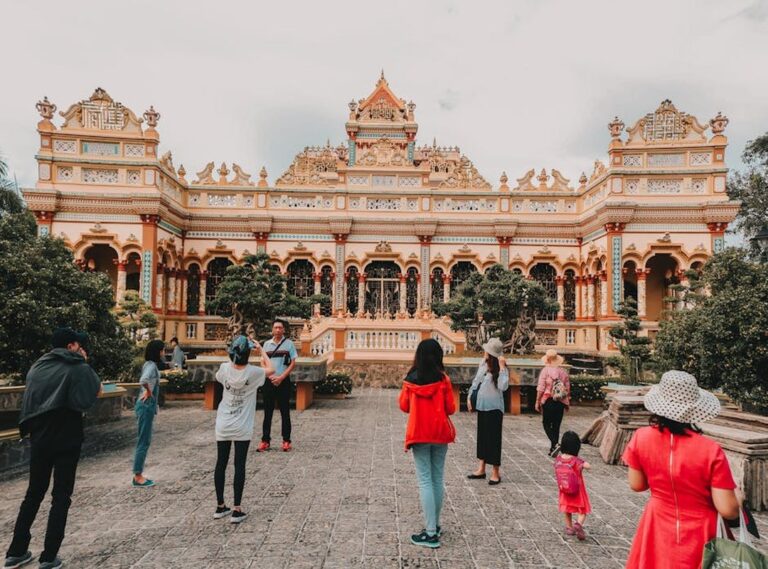
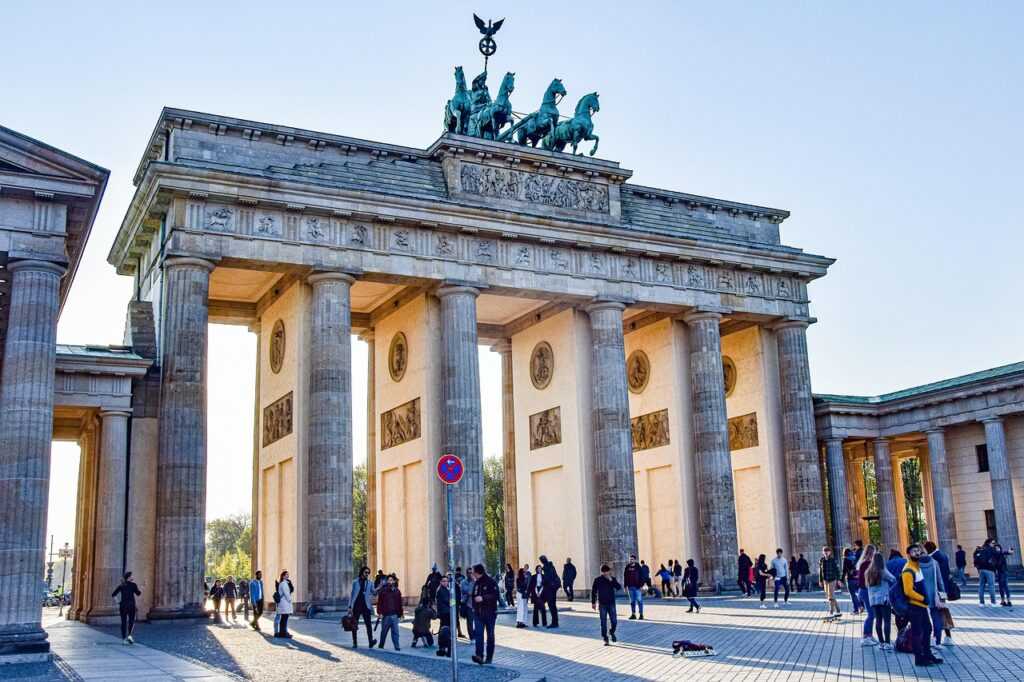
Modern travel often revolves around hitting the highlights think snapping a photo at a famous monument, ticking off “must see” attractions, or squeezing five cities into seven days.
Quick stop tours dominate many itineraries
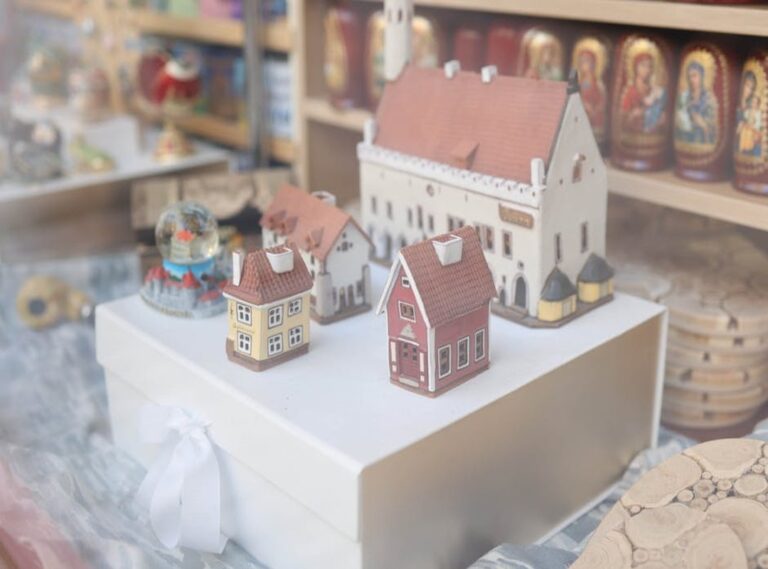
Experiences are often curated behind glass, not lived in
Tourist hotspots can feel more staged than authentic
This “checklist mentality” can result in missing the essence of a place. Instead of connection, travelers walk away with a folder of photos but little emotional impact.
What’s Missing in Fast Paced Sightseeing
When travel is rushed, there’s little room for spontaneity or depth. Cultural nuances, subtle interactions, and the character of a place are often lost when we’re just passing through.
Limited time leads to surface impressions
Locals become background, not part of the journey
True beauty and meaning often take time to notice
Seeing vs. Experiencing
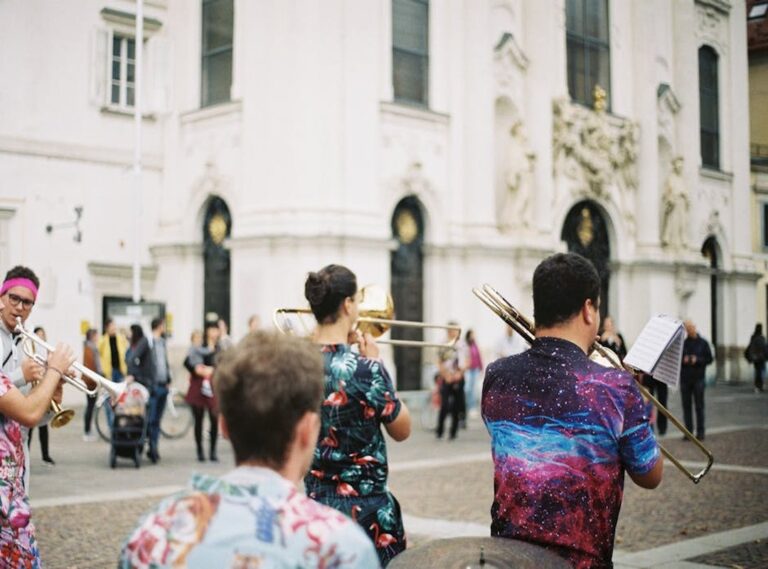
Seeing a place means observing it from a bus window, a camera lens, or the edge of a crowd. Experiencing it means becoming part of it, even briefly. It’s the difference between watching a street performance and joining in, between photographing a meal and sharing it at a local’s table.
Seeing: Passive, observational, outside in
Experiencing: Active, involved, inside out
Choosing to experience rather than just see opens the door to richer travel one that leaves a lasting impression beyond a souvenir or snapshot.
Enter Culture Rich Travel
“Meaningful travel” isn’t about how far you go or how many stamps are in your passport. It’s about how deep you’re willing to go when you’re there. It means moving beyond the tour bus and into shared experiences with the people who actually live in the places you’re visiting. It’s the shift from sightseer to participant.
For travelers, this kind of approach delivers something more valuable than postcard photos: real memories. Conversations that stick with you. Meals where you learn more about a culture from one dish than from a museum. It builds empathy, openness, and sometimes even unexpected friendships. Personal growth isn’t the goal, but it tends to come with the territory.
Hosts benefit too. When visitors engage with care and curiosity, it helps protect traditions that might otherwise fade. It drives economic income directly to families and communities, not just big name hotels or tour operators. And it fosters a kind of mutual respect that makes future travel more sustainable for everyone.
This isn’t a call for perfection. It’s a nudge toward purpose. When you travel with intention, everybody wins.
Real Connections, Real People
Moving Beyond Observation
Too often, travel becomes about checking sites off a list rather than creating memories that last. Intentional experiences, however, open the door to authentic human connection. These moments unscripted and personal can leave a deeper impact than any scenic overlook.
Travel with a mindset of curiosity, not consumption
Slow down to notice daily life not just major attractions
Choose experiences that invite participation, not just observation
Meaningful Encounters Through Culture
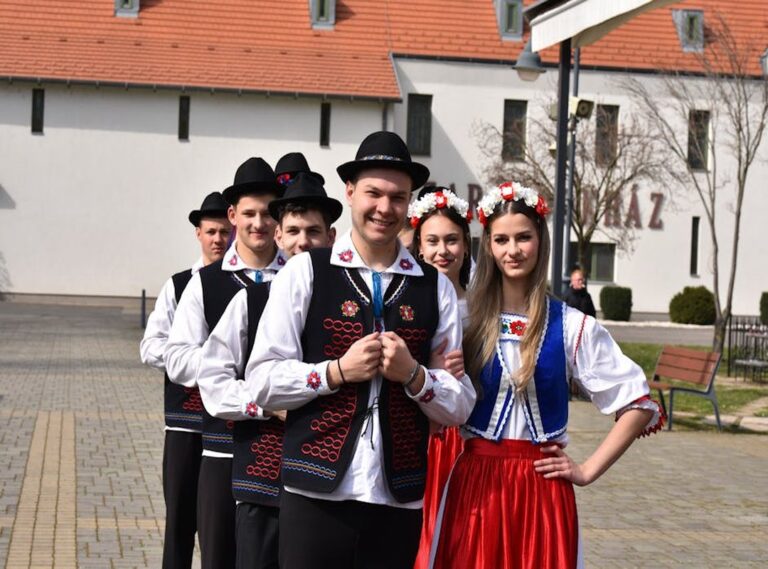
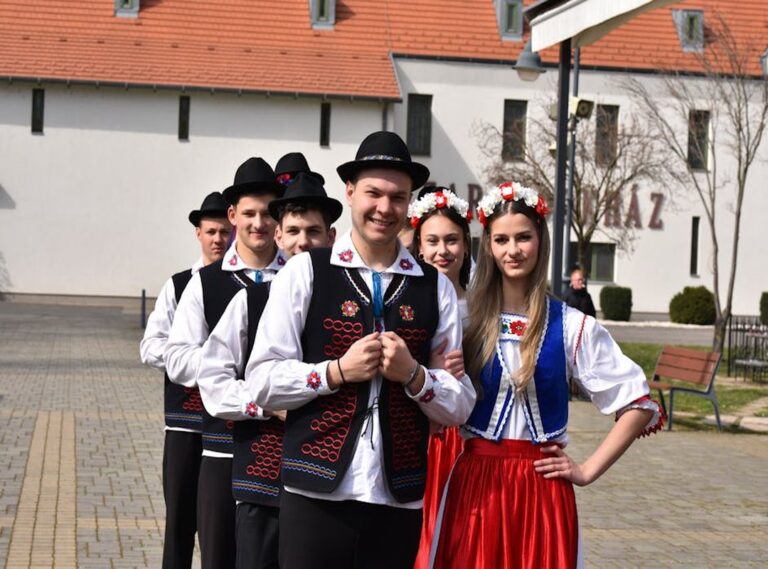
Some of the most memorable travel experiences happen around shared meals or during cultural celebrations. When you take part in everyday life, you build real bridges across cultures.
Consider experiences like:
Home cooked meals with host families that lead to conversations and shared traditions
Local festivals that offer a window into community values and creativity
Traditional workshops (like pottery, weaving, or cooking) led by artisans who pass on generational knowledge
These aren’t activities made for tourists they’re opportunities to step into someone else’s world, however briefly, with mutual respect.
Stories That Stay With You
Souvenirs may fade or break, but stories stay with us. The narrative memory of helping prepare a meal with a local family or dancing in a neighborhood celebration carries a richness that no postcard can match.
Real stories remind us of our shared humanity
Encounters based on mutual exchange become lifelong memories
These moments challenge assumptions and broaden perspectives
For more on cultivating true human connection while traveling, visit Connecting With Locals.
Immersive Opportunities That Matter
There’s a difference between watching a culture and living inside it for a while. Staying with host families or choosing community based lodging strips away the tourist filter. You wake up to real conversations, real routines, and a pace that doesn’t play to your itinerary. These aren’t hotel experiences they’re slices of someone else’s everyday.
Volunteering locally is another option, but it’s not about selfies or saviorism. It’s about listening first, doing what’s asked, and then getting out of the spotlight. This isn’t your story it’s theirs. Showing up with humility makes space for connection that’s honest and mutual.
Then there’s tradition. Real tradition. Learning to carve wood, roll dumplings, fold saris, or dance barefoot in rhythms older than your country. These aren’t performances for tourists. They’re shared skills, offered by people who live in those practices daily. You don’t have to master anything just show respect, show up, and let someone teach you something real.
This kind of travel isn’t loud. It’s slow, human, and unforgettable.
Tips for Being a Respectful Cultural Guest
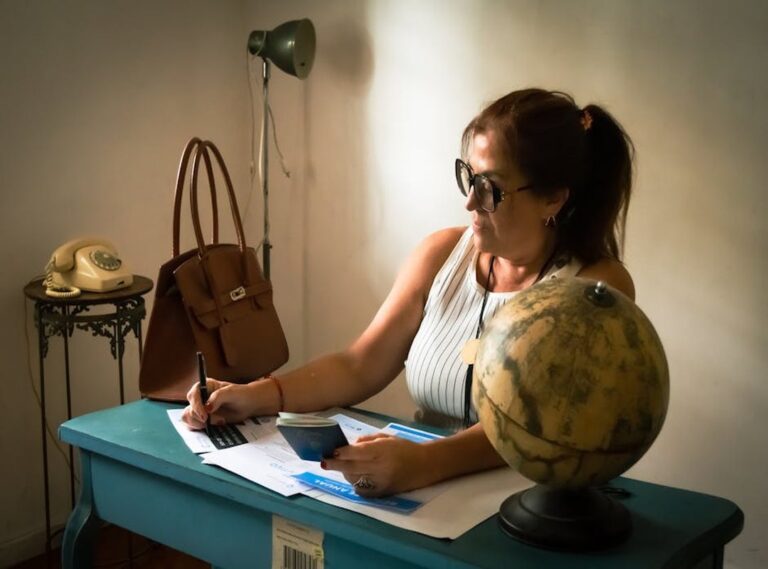
If you’re aiming for meaningful travel, it starts before you book the flight. Don’t assume you know what a place or its people are about. Read up. Ask questions. Talk to locals when you arrive, but also invest in learning from credible sources ahead of time. Curiosity is better received than conclusions.
Small efforts in language matter too. You don’t need to be fluent, but knowing how to say hello, thank you, and excuse me can shift how people see you from day one. It shows effort, and that effort builds trust.
When you choose where to stay or which tours to take, look into who benefits. Supporting local guides or family run guesthouses isn’t just feel good stuff it gives travelers a better experience and puts money into the hands of those who keep the culture alive.
Lastly, keep checking in with yourself. Are you being invited in, or are you intruding? Are you witnessing culture or staging your version of it? Awareness isn’t a guilt trip it’s how respect stays active in every moment of the trip.
Final Takeaway
The truth is, meaningful travel doesn’t require deep pockets or complicated planning. It just asks for a mindset shift. Instead of packing your itinerary tight with must sees, leave space for conversations, shared meals, and moments that aren’t planned. Real connection happens when you’re open to it not when you’re rushing from one photo op to the next.
Choosing people over places doesn’t mean skipping the landmarks. It means asking the street vendor about their recipe. Going to the small town dance instead of the influencer hotspot. It’s in these quieter moments that stories stick and those are the stories you’ll carry home. Far better than any souvenir.
Explore deeper ways of Connecting With Locals