
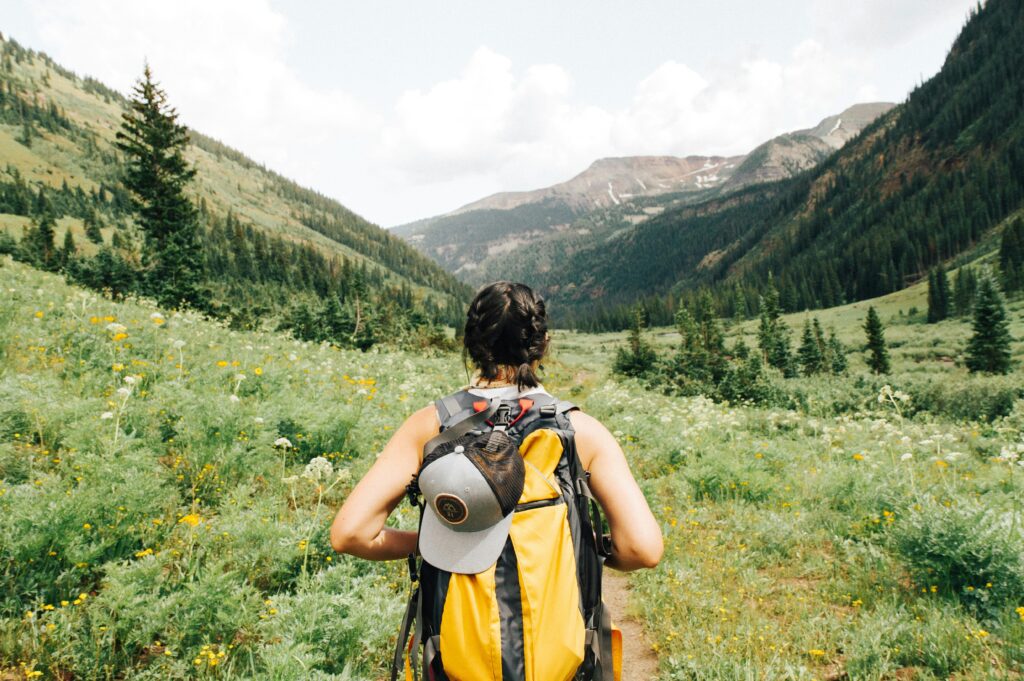
The Appalachian Mountains stretch over 1,500 miles across the eastern United States, offering some of the most accessible and rewarding outdoor escapes in the country. Whether you are looking for a quiet cabin retreat, a challenging summit hike, or a full weekend of outdoor activities, scenic Appalachian Mountain getaways deliver all of it without requiring a cross-country flight or an inflated travel budget.
Key Takeaways
- The Appalachian Mountains span 14 states, giving travelers dozens of entry points from Georgia to Maine.
- Cabin rentals are the most popular lodging option in the region, combining comfort with direct access to trails and natural scenery.
- Trail difficulty ranges from easy nature walks to demanding multi-day backcountry routes, making the area suitable for all fitness levels.
- Fall foliage season (typically late September through early November) is the most competitive booking period, so plan ahead.
- Local outfitters, guided tours, and state park programs make it easy to enjoy outdoor adventures even without prior experience.
- Comparing cabin rental platforms before booking can save you money and help you find the best fit for your group size and preferred location.
Why the Appalachian Region Keeps Drawing Outdoor Travelers Back
The appeal of the Appalachians is not hard to explain. The region runs through 14 states, from Georgia’s Blue Ridge to Maine’s Baxter State Park, making it one of the most geographically diverse mountain ranges in North America. You can drive a few hours from major cities like Atlanta, Washington D.C., Charlotte, or Boston and be surrounded by old-growth forest, cascading waterfalls, and cooler temperatures within a single afternoon.
Unlike destinations in the American West that often require permits weeks in advance or involve high-altitude acclimatization, the Appalachians are beginner-friendly without being boring. The Smoky Mountains in Tennessee and North Carolina alone host millions of visitors each year, and yet the backcountry sections of Great Smoky Mountains National Park still feel genuinely remote if you choose the right trailhead.
The seasonal variety is another major draw. Spring brings wildflower blooms and rushing waterfalls fed by snowmelt. Summer offers cooler temperatures than the surrounding lowlands. Fall delivers the dramatic foliage that the region is arguably most famous for, with peak color typically running from late September at higher elevations down through early November in the valleys. Winter, often overlooked, is actually an excellent time to visit for solitude seekers, as crowds thin significantly and snow-dusted ridgelines create memorable scenery.
Choosing the Right Cabin for Your Appalachian Trip
Cabin rentals are the anchor of most Appalachian getaways. They give you the convenience of a private kitchen, a wraparound porch for morning coffee, and often a hot tub or fire pit for evening relaxation after a long day on the trail. The cabin market in this region is mature and competitive, which is good news for travelers: you will find options ranging from rustic one-room retreats to fully outfitted multi-bedroom lodges that can sleep a large group.
When comparing platforms and property managers, it pays to look at established regional specialists who know the local terrain and can point you toward cabins with genuine mountain views and trail access through services like Mountain Mama Cabins, which is one well-regarded option with a strong regional focus, offering properties that prioritize proximity to nature rather than just amenity lists. For travelers who want a broader selection across the Southern Appalachians, Blue Sky Cabin Rentals offers a wide inventory of mountain properties with detailed filtering by location, size, and amenities.
A few practical tips when booking:
- Book early for fall. Peak foliage weekends in October fill up three to six months in advance in popular spots like Gatlinburg, Tennessee, and Blowing Rock, North Carolina.
- Check road access. Some cabins sit at the end of steep gravel roads. If you are driving a low-clearance vehicle, confirm road conditions before you commit.
- Look for trail proximity. The best cabin experiences in this region are ones where you can step off the porch and onto a trailhead within a short walk or a brief drive.
- Verify pet policies. The Appalachians are extremely dog-friendly, but individual cabins vary, so confirm before booking if you are bringing a pet.
Hiking the Appalachians: Trails for Every Skill Level
Hiking is the primary reason most people choose scenic Appalachian Mountain getaways, and the trail network here is genuinely vast. The Appalachian Trail itself covers roughly 2,190 miles from Springer Mountain in Georgia to Mount Katahdin in Maine, passing through some of the most spectacular terrain in the eastern United States. You do not need to thru-hike it to enjoy it; day hike sections near entry towns like Hot Springs, North Carolina, or Harpers Ferry, West Virginia, are excellent for a few hours of solitude and ridge-top views.
Some of the most popular and rewarding hikes across the region include:
- Alum Cave Trail, Tennessee: A moderate 4.4-mile round trip in Great Smoky Mountains National Park that passes unique geological formations and ends near LeConte Lodge.
- McAfee Knob, Virginia: Widely photographed and moderately challenging, this 8-mile round trip on the Appalachian Trail offers one of the most iconic overlook views on the entire trail.
- Chimney Tops, Tennessee: Recently reopened after wildfire restoration, this steep 3.5-mile trail rewards hikers with a dramatic exposed summit view.
- Rough Ridge, North Carolina: A shorter, accessible hike in the Linville Gorge area with open rock scrambles and panoramic views of the Blue Ridge Parkway corridor.
For beginners, any trail rated under 5 miles with moderate elevation gain is a solid starting point. Many state parks in Virginia, North Carolina, Tennessee, and Georgia maintain well-marked beginner loops with interpretive signage that add educational context to the walk.
Outdoor Adventures Beyond the Trail
Hiking is just the beginning. The Appalachian region supports a full calendar of outdoor activities that round out any multi-day visit.
Whitewater rafting is particularly strong in the New River Gorge area of West Virginia, which became a National Park in 2020. The New and Gauley Rivers offer Class III through V rapids, with outfitters providing guided half-day and full-day trips for groups of all experience levels.
Mountain biking has exploded in the region over the past decade. Pisgah National Forest in North Carolina now hosts an internationally recognized trail network drawing riders from across the country. Beginners can access flowy, beginner-friendly loops while advanced riders tackle technical descents through old-growth hemlock groves.
Fishing is a year-round activity in the Appalachians, with cold, clear streams supporting healthy populations of trout. The Delayed Harvest sections of many North Carolina rivers are particularly well-managed and attract fly fishing enthusiasts from up and down the East Coast.
Rock climbing in the New River Gorge area and at Seneca Rocks in West Virginia offers routes for beginners through advanced climbers. Guided half-day climbing clinics are widely available and a great way to try the sport in a safe, structured environment.
Frequently Asked Questions
When is the best time to visit the Appalachian Mountains?
Each season offers something distinct, but fall foliage (late September through early November) and spring wildflower season (April through May) are the most visually dramatic.
Summer offers cooler temperatures and long daylight hours ideal for hiking. Winter is the quietest period and works well for travelers who want solitude and possible snow scenery without summer crowds.
Do I need a permit to hike in Great Smoky Mountains National Park?
As of 2026, Great Smoky Mountains National Park requires a parking tag for most heavily used trailhead areas, priced at $5 per day or $15 per week.
This replaced the traditional free entry model and applies to most popular trailheads. The park itself remains free to enter, but the parking tag is required to avoid a fine.
What should I pack for a multi-day Appalachian cabin trip?
Pack layers regardless of the season, as mountain temperatures can swing 20 to 30 degrees Fahrenheit between morning and afternoon.
Broken-in hiking boots, a waterproof shell jacket, a basic first aid kit, and a physical trail map are practical essentials. Cell service is unreliable in many valleys and backcountry areas.
Are the Appalachian Mountains family-friendly?
Yes, the region is one of the most family-friendly mountain destinations in the United States, with a wide range of easy trails, calm waterways, and cabin accommodations suited to families with young children.
Many state parks offer junior ranger programs, and easy loop trails under 2 miles are common throughout the region.































































































































































































































































































































































































































































































































































































































































































































































































































































































































































































































































































































































































 As an author at TravelBeautyVision.com, Robert D. focuses on uncovering the beauty of global destinations through insightful narratives. His writing style combines creativity and technology, helping readers connect with places in a more engaging way.