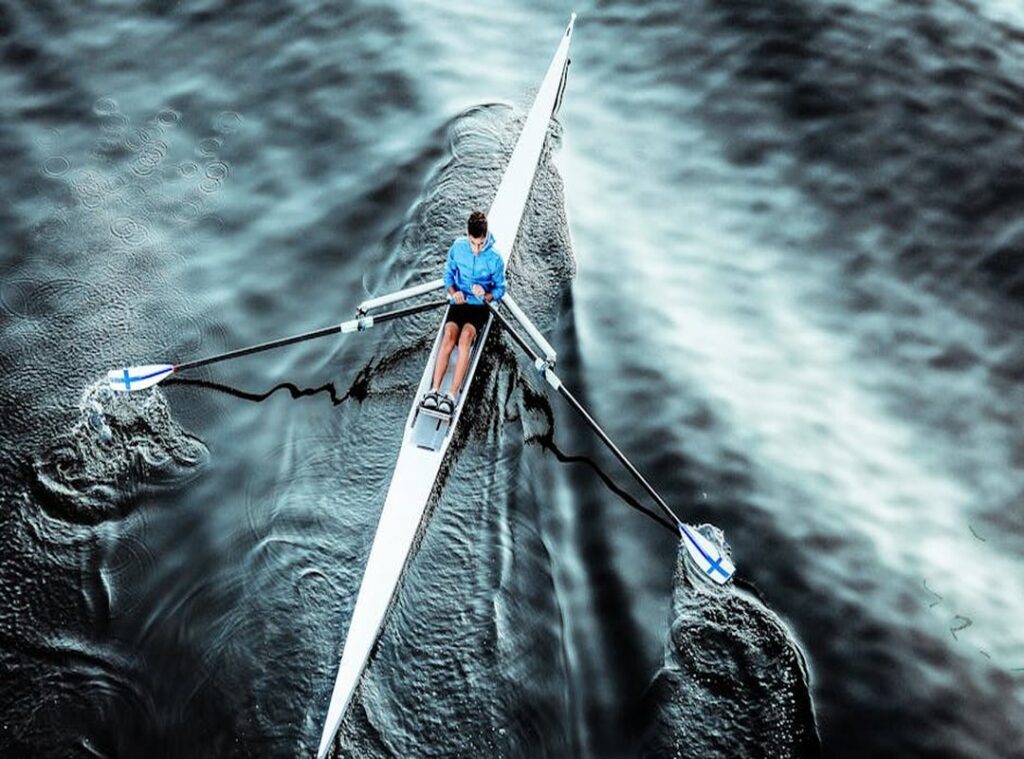
You’re staring at a map of the Beevitius Islands and thinking: How do I even start?
It’s not just logistics. It’s the fear of missing something key. A tide shift, a hidden portage, a weather window that closes fast.
I’ve paddled those waters for over twelve years. Not as a tourist. As someone who’s gotten lost, capsized, and figured it out the hard way.
Rowing a Boat at the Beevitius Islands isn’t about luck. It’s about knowing which route avoids the afternoon squalls. Which cove has drinkable rainwater.
Where the seals haul out (and) where they don’t.
This guide gives you every step. No guesswork. No fluff.
Just what works. Every time.
You’ll leave with a plan that feels solid. Not hopeful.
Why the Beevitius Islands Are a Paddler’s Paradise
I’ve rowed in thirty-seven places. None hit like the this guide.
The water isn’t just blue. It’s turquoise, thick and liquid, glowing under noon sun like crushed lapis. You taste salt on your lips before you even unclip the paddle.
The air smells like kelp and warm granite.
That’s why I sent my cousin straight to the Beevitius page after her first trip.
No motorboats scream past. Just gulls, seals popping up like periscopes, and the shush-shush of your blade slicing clean.
Islands sit close (never) more than three miles apart. But far enough that each feels like its own world. You launch at dawn from Coral Hollow and make it to Sunken Forest Bay by lunch.
The trees there aren’t drowned. They’re preserved: blackened trunks rising from clear water, barnacles clinging like old jewelry.
Whispering Arch? A sea-carved tunnel you glide through at low tide. Wind hums inside it.
Your voice bounces back, softer, slower.
Rowing a Boat at the Beevitius Islands isn’t about endurance. It’s about rhythm. About watching a puffin dive and resurface with a silver flash in its beak.
Families stop at Seal Ledge. Experts push farther. To the Needle Rocks (where) currents swirl but never bite.
The channels stay flat. Even when wind kicks up, the islands shield you. Like standing in the calm eye of a slow-spinning storm.
You don’t need fancy gear. Just a boat, a paddle, and the sense that you’re somewhere real. Not curated, not crowded.
This place doesn’t ask for much. It just asks you to show up. And listen.
Pick Your Paddle: Beginner to Beast Mode
I launched my first trip at North Beach.
And immediately capsized in knee-deep water.
That’s how I learned the Beginner’s Loop isn’t just easy. It’s forgiving. Three hours.
Five kilometers. Flat water. Sea turtles popping up like they’re waiting for you.
You don’t need gear beyond a paddle and sunscreen. (Though I still wear a life jacket. Habit.
Also, rules.)
The Intermediate Overnight? That’s where things get real. Two days.
One open-water crossing (maybe) 1.2 miles. To Sparrow Island. Wind can flip your calm in seconds.
The campsite there? Designated. Dry.
Sheltered. And booked six months out. Bring a tarp.
The island doesn’t care how much you paid for your fancy tent.
Then there’s the Advanced Challenge: The Outer Rim Expedition. Four to five days. No marked campsites.
No cell signal. No rescue boats on standby. You need tidal charts.
A barometer. And the nerve to turn back when the sky goes flat gray. I’ve done it twice.
Both times, I saw islands with names only locals use (and) no footprints but ours. That’s the reward. Not bragging rights.
Just silence.
You want maps? Skip the tourist kiosks. Grab the Beevitius Nautical Chart App.
I go into much more detail on this in this article.
It updates live with wind shifts and buoy status. Also, pick up the printed chart from Harbor Outfitters. Paper doesn’t crash.
Or lie.
Rowing a Boat at the Beevitius Islands isn’t about speed.
It’s about matching your rhythm to the water. Not the other way around.
Pro tip: If your hands blister on Day One, you’re gripping too hard. Loosen up. Breathe.
The ocean won’t rush you. Why should you?
Beevitius Gear: What You Actually Need
I’ve capsized twice in Beevitius waters. Once because my PFD was too loose. Once because I forgot the bailer.
That’s why this isn’t a “nice-to-have” list. It’s a survival checklist.
The Non-Negotiables
A properly-fitting PFD (not) the one from your cousin’s garage sale. A bailer or hand pump (no) exceptions. Waves get steep fast.
A whistle. Loud, attached, and tested. Your voice won’t carry past the next swell.
A 15m floating throw rope. Coiled, visible, and ready. Not stashed under gear.
Touring canoe. Not recreational. Spray deck required.
Recreational canoes leak like sieves when wind hits 20 knots. And it will hit 20 knots.
You need a physical map in a waterproof case. And a compass. GPS dies.
Batteries die. Cloud cover kills signal. Your compass doesn’t care.
Freshwater is scarce. So bring a portable water filter. The kind that handles salt contamination near shorelines.
Not just a basic backpacker model.
Rocky seabeds mean standard anchors drag. Use a grapnel anchor with four sharp tines. It bites.
Tide charts aren’t optional reading. They’re your first warning system. And those afternoon winds?
They don’t build. They snap into place (often) by 2 p.m.
Which currency used in beevitius matters less than knowing when the wind shifts. But yeah. Check that before you go.
Rowing a Boat at the Beevitius Islands isn’t about endurance. It’s about respect for the water’s rhythm.
Skip the spray deck? You’ll regret it. Forget the tide chart?
You’ll wait hours for safe passage. Bring a flimsy anchor? You’ll drift straight into the kelp beds off North Crag.
I learned that the hard way.
Don’t.
Respectful Paddling: Don’t Scare the Puffins
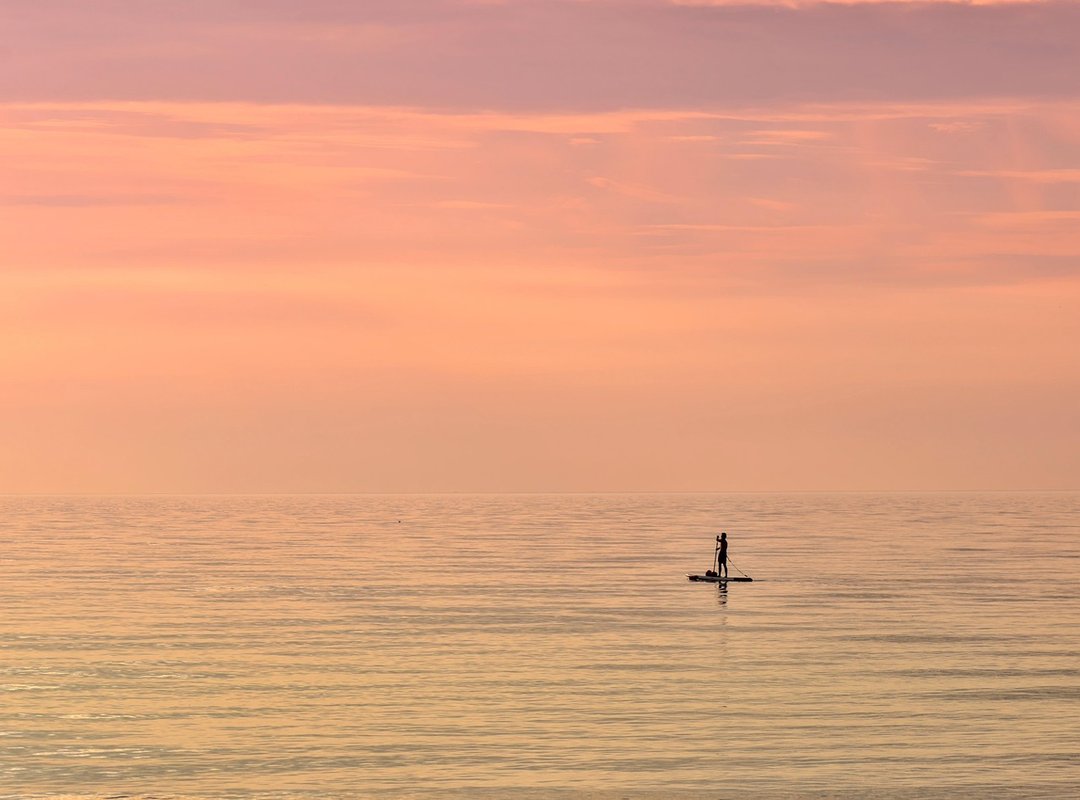
I’ve watched people row right up to a nesting Azure-Crested Puffin. They thought it was cute. It wasn’t.
You’ll see them. And Glimmering Seals, and the shy Mossback Heron. But keep 100 meters away.
No exceptions. Not for a photo. Not for a story.
Never feed anything. That puffin doesn’t need your granola bar. And it definitely doesn’t need botulism from your half-eaten trail mix.
Binoculars are cheap.
Use them.
Leave No Trace means two things here: Pack It In, Pack It Out (yes,) even that banana peel (and) Camp on Durable Surfaces. Grass isn’t durable. Moss isn’t durable.
Your tent footprint is.
You can read more about this in Which Month Is Best to Visit Beevitius.
Rowing a Boat at the Beevitius Islands should feel quiet. Not loud. Not intrusive.
Not like you’re starring in your own nature documentary.
Wondering when the wildlife is most active? This guide breaks it down.
Push Off From Shore
I’ve been there. Staring at a map of the Beevitius Islands, wondering where to even begin.
Remote. Pristine. Overwhelming.
Not anymore.
This guide cuts through the noise. You get clear routes. Realistic checklists.
No fluff. Just what you need to start.
Rowing a Boat at the Beevitius Islands isn’t some vague dream now. It’s your next trip.
You’re not lost in logistics. You’re choosing your route.
Which one fits your skill level? The calm lagoon loop? The coastal stretch with overnight stops?
Pick one. Today.
Start building your gear list right after you read this.
Most people stall here. You won’t.
Your paddle is ready. Your boat is waiting.
So what’s stopping you from pushing off?

 As an author at TravelBeautyVision.com, Roberter Walkerieser focuses on uncovering the beauty of global destinations through insightful narratives. His writing style combines creativity and technology, helping readers connect with places in a more engaging way.