What Makes Corfu Stand Out
Corfu isn’t the loudest island in Greece but that’s exactly the point. It leads with understated charm, blending Ionian soul with a heavy dose of Venetian flair. Think sun washed bell towers, crumbling fortresses, and faded facades that whisper old world stories. Everywhere you walk, from coastal villages to hidden alleyways, there’s an effortless mix of island ease and European influence.
Nature shows up strong too. The coastlines flash turquoise like it’s nothing, while the interior goes full green with olive groves, cypress trees, and trails that don’t feel curated within an inch of their life. Whether you’re drifting through water so clear it looks photoshopped or sipping espresso under a 17th century archway, Corfu finds a way to slow you down.
It’s a two faced gem: one side leans back in the sun, the other invites you into a deeper, layered history. For travelers who want more than just another beach they want narrative, texture, and a strong espresso Corfu delivers quietly but completely.
Local Life & Living History
Wander into Corfu Old Town and you’re stepping into a time capsule that hasn’t lost its pulse. Fortified with thick stone walls and laced with winding alleys, this part of the island doesn’t try to impress it just does. Pastel painted buildings, aged but proud, stack closely like old friends, each with shutters flung open to catch that sea soaked breeze. Cafés spill out onto stone squares. Locals stroll slowly. You begin to get it life here isn’t rushed, and never was.
Corfu’s character wasn’t shaped overnight. Centuries of shifting power left their mark Venetian arches, French style arcades, British esplanades. The result? A cultural mash up that actually feels like home. You’re just as likely to hear a bell tower chime as you are to find olive oil packaged like cologne.
The town’s eclectic charm didn’t go unnoticed. It’s been a UNESCO World Heritage site since 2007, recognized not just for its look, but for surviving centuries of change without losing its sense of self. Corfu Old Town isn’t a museum it’s a lived in legacy.
Want more on how Corfu blends history with beauty? Check out Corfu island highlights.
Nature That Doesn’t Try Too Hard
Corfu doesn’t beg for your attention it earns it. Start inland, and you’re wandering through dense olive groves, shaded by trees older than most cities. These winding paths spill into pockets of wildflowers, rugged cliffs, and ridgelines with unreal views of the Ionian Sea. Head outward, and the beaches shift from soft curves of sand to dramatic coves wrapped in rock. It’s the kind of terrain that fits whatever mood you brought with you lazy, introspective, or wide eyed.
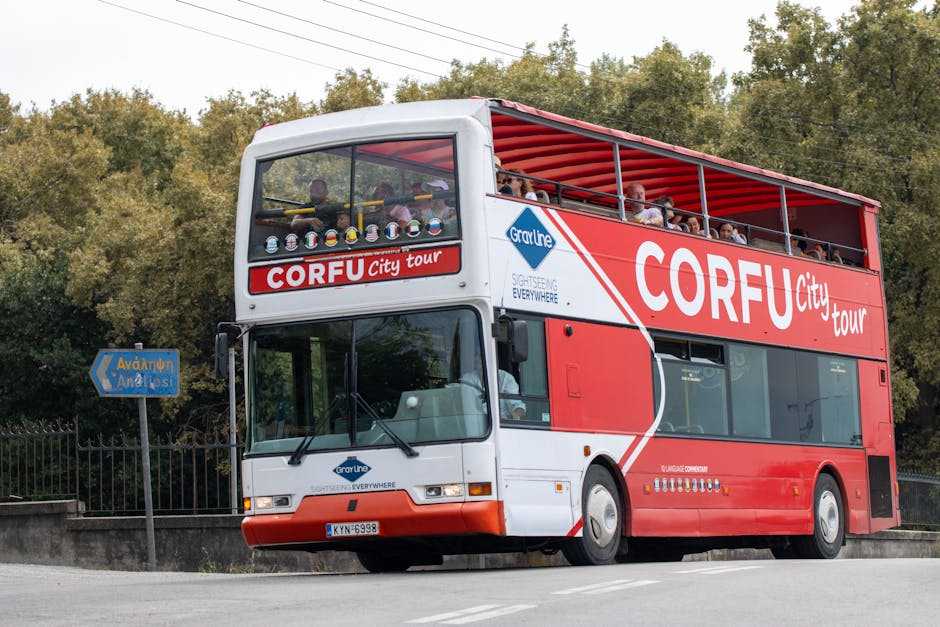
If you’re not in a rush, the Corfu Trail is your best friend. Stretching almost the full length of the island, it weaves through backcountry villages, forested hills, and quiet coastline. It’s not about logging steps it’s about surrendering to the slow. Along the way, you’ll meet locals who haven’t traded tradition for trend, and see corners of the island that bus tours forget.
And then there’s Palaiokastritsa. Classic? Yes. Overhyped? Not even close. With its sapphire bays, limestone cliffs, and monastery views, even longtime visitors say it hits different every time. Whether you’re snorkeling in cold, clear waters or sipping coffee with your feet in the sand, it’s a place that asks very little from you but gives plenty back.
Flavors of the Island
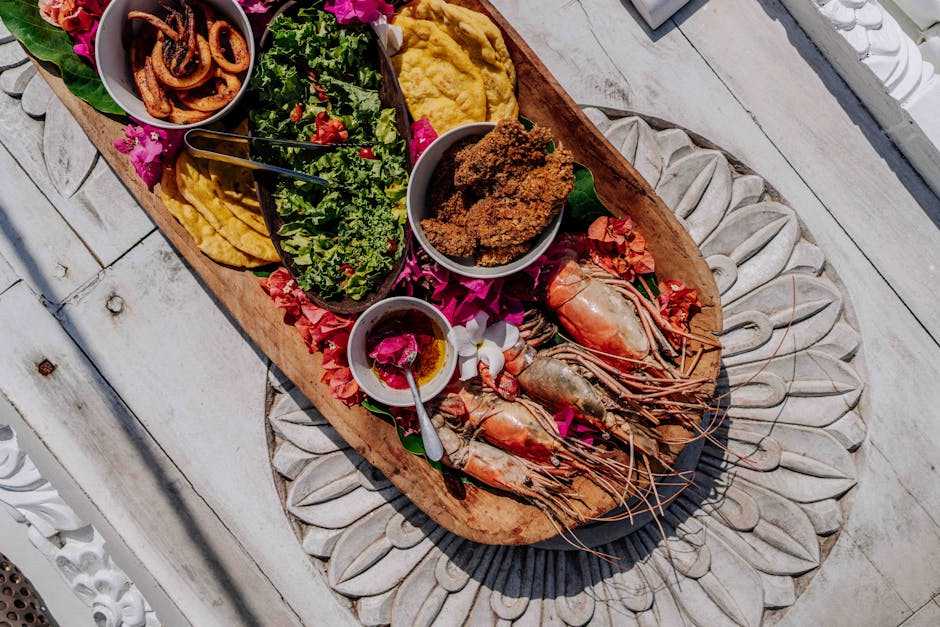
Corfu doesn’t shout about its food it doesn’t need to. The island’s culinary scene is quietly confident, rooted in simplicity and history. Step past the standard moussaka and you’ll find dishes that speak to Corfu’s blend of Greek and Venetian heritage. Sofrito a garlicky, wine braised veal is as rustic as it is refined. Pastitsada, a slow cooked beef pasta dish rich with red pepper and spice, brings bold flavor with minimal fuss. And then there’s kumquat everything: candied, distilled, or spooned over yogurt. Sweet, sharp, and surprisingly addictive.
The good stuff lives off the main squares. Follow the locals down narrow lanes and you’ll stumble into the kind of taverna you’ll tell stories about. No printed menu, maybe five dishes on offer but each plate cooked with care and a sense of place. It’s not about flash or fame. It’s about flavor that lingers.
Corfu’s food doesn’t posture. It doesn’t need reinvention or Instagram filters. It’s sophisticated in the same way a hand me down recipe is: seasoned by time, unpretentious, and deeply satisfying.
Best Times to Visit Without the Crowds
Corfu isn’t just a pretty face it’s a seasonal chameleon. Summers are hot and busy, with July and August pulling in cruise liners and peak temps. It’s the postcard version of the island but it’s also when locals retreat and prices rise. If you want a slower pace and room to breathe, plan around the weather.
The sweet spot? Late spring and early autumn. Think mid April to early June, or September through October. Days are warm but comfortable. Sea’s swimmable. Wildflowers or golden light, depending which side of summer you’re on. Easter in Corfu is a real thing not just a holiday marker but a deeply local celebration worth planning for.
Pro tip: The island hums, not buzzes, from late April to mid June. Fewer tour buses, more room to exhale. Cafes aren’t rushed. You’ll hear Greek spoken more often than not. Rent a car, take a random left turn, and wind up in a village with one taverna and ten locals. That’s the version of Corfu most visitors miss.
Early autumn stretches out the magic. Schools are back in, and the beaches feel like well kept secrets. Grapes are being crushed in the countryside. This is a good time to blend in not stand out. Walk where locals walk. Eat where no one’s translated the menu. That’s when Corfu stops being a destination and starts feeling like something closer to home.
Day Trips & Hidden Corners
When you’ve had your fill of Corfu Town and well marked beaches, it’s time to go off script. Boat trips to Paxos and Antipaxos are a must. Paxos has that slow, unbothered pace the kind where café owners still remember your name by day two. Antipaxos is even smaller, with white sand beaches and water so clear it’s borderline surreal. You can swim, snorkel, or just float and forget whatever inbox you left behind.
Back on Corfu, trade the coast for altitude. Mountain villages like Lakones and Old Perithia offer a totally different rhythm. Think chilled carafes of wine, hand painted shutters, and sleepy cats on stone walls. These aren’t curated tourist traps they’re living snapshots of the island’s past with just enough comfort to keep you lingering.
And yes, Corfu still has those secret beaches. You’ll need either a local tip, a strong sense of direction, or just the will to follow a dirt path that feels like a bad idea until you hear waves. These spots don’t have sun beds. Or crowds. What they do have: absolute stillness, olive tree shade, and sea stretching to infinity.
For more inspiration, check out Corfu island highlights.
Parting Essentials
Getting to Corfu
Corfu is surprisingly well connected for an island that maintains a peaceful, off the map charm. Reaching it is straightforward whether you’re starting from within Europe or coming internationally.
Fly direct: During high season (April to October), major cities across Europe offer direct flights to Corfu International Airport (CFU).
Ferry options: Regular ferries connect the island to mainland Greece (e.g., from Igoumenitsa) and even to Italy (from Bari or Brindisi).
Island hopping: Corfu serves as a fantastic stop on an Ionian Sea itinerary, linking easily to Paxos, Lefkada, and others.
Getting Around Once You Arrive
Transportation on the island is a mix of old world charm and practical modernity. The best way to explore depends on your style of travel.
Rent a car or scooter: Best for uncovering hidden coves, hillside villages, and remote vantage points.
Public buses: Green and blue buses cover much of the island, especially between resorts and major towns.
Boat rentals: Ideal for discovering secluded beaches only accessible by water.
Key Takeaways for a Memorable Escape
Corfu isn’t just another pretty place in the sun. It’s an island that rewards slow travel and thoughtful discovery.
Combine coast and countryside: Don’t just stay seaside spend time in the interior villages.
Let the island guide your pace: Sunrise swims, lazy lunches, and golden hour town strolls are the norm.
Talk to locals: From a passing smile to a café owner’s story you’ll understand Corfu more deeply through conversation.
Why Corfu Deserves a Comeback
Whether it’s your first visit or your fifth, Corfu has a way of surprising you again.
Authentic without trying too hard: The island’s character feels lived in, not staged for tourists.
A balanced destination: Equal parts beach escape, historical exploration, and cultural immersion.
Timeless appeal: While trends shift, Corfu’s beauty and spirit remain steady.
Time may pass, ferry schedules may change, but one thing is constant: Corfu still has that something special waiting just off mainland reality.






































































































































































































































































































































































































































































































































































































































































































































































































































































































































































































































































































































































































































































































































































































































































































































































































































































































































































































































































































































































































































































 Richard Morrisanters, author at TravelBeautyVision brings a unique perspective to travel and culture. With a passion for exploring hidden destinations, he blends storytelling with modern digital tools to give readers an authentic journey through his writing.