My boots are soaked. Again.
I’m standing in the rainforest at 5:17 a.m., staring at my sleeping bag (damp,) heavy, and useless.
You’ve been there too. That moment when your pack shifts mid-hill and your hip belt cuts into your ribs. Or when you peel off your sock and see the blister already weeping.
This isn’t theory. I’ve hiked over six hundred miles across desert, alpine, and rainforest terrain. In snow.
In monsoon. In silence so thick it hums.
None of that matters if your Backpacking Advice Cwbiancavoyage doesn’t work on the trail.
No gear lists. No inspirational quotes about “finding yourself.” Just what stops blisters before they start. What keeps your pack light and complete.
How to dry gear fast when there’s no sun.
I’ve made every mistake so you don’t have to.
You want confidence. Not confusion (before) your next trip.
You want to know exactly what to do when things go sideways (and they will).
This guide gives you that.
Clear steps. Real fixes. Tested in mud, dust, and downpour.
Not someday. Not maybe.
Now.
Pack Light, Not Bare: The 20% Rule That Changes Everything
I weigh 155 pounds. My pack? Never heavier than 31 pounds.
That’s the 20% rule. Non-negotiable.
Your knees don’t care about your sense of adventure. They care about physics. Exceed 20%, and joint strain spikes.
Endurance drops. So does your will to keep walking.
You’re already thinking: But what if it rains? What if my stove breaks? I get it. (I once carried two spoons.
One broke. The other was bent.)
Cut these three things (right) now:
- Extra socks beyond three pairs. Moisture-wicking ones dry fast. You don’t need five.
- Duplicate utensils. One spork. One mug. Done.
Here’s what actually fits: lightweight sleeping bag (18. 24 oz), dehydrated meal (3.5 oz), stuff sack (1.2 oz). I use a printable checklist (it) lives in my wallet.
Last summer in the Rockies, I trimmed 3.2 lbs. My pace improved by 12 minutes per mile. Knee pain vanished after day two.
That’s why I follow the Cwbiancavoyage packing philosophy. No fluff, no guilt, just weight that serves you.
Backpacking Advice Cwbiancavoyage isn’t theory. It’s what happens when you stop packing fear and start packing function.
You feel lighter before you even leave the trailhead.
Water Wisdom: No Guessing, Just Good Water
I treat water like I treat my stove fuel. Not enough, and you’re screwed. Too much effort, and you waste time you don’t have.
Pump filters clog fast in silty water. Chemical drops work but take 30 minutes. And fail against cryptosporidium.
UV pens? Fast and reliable if the water’s clear. If it’s cloudy?
Use a pre-filter or skip it.
So here’s what I do: two-bottle system. One bottle stays for untreated water. Marked with black tape wrapped once around the neck.
The other gets bright red tape twice. Done in five seconds, even at midnight.
Elevation matters. Below 7,000 ft in late summer? Avoid surface water.
Beaver giardia risk spikes. Above 10,000 ft in spring? Snowmelt looks clean.
But melt it first, then treat. Silt hides pathogens.
Pre-treat while cooking dinner. Dump drops into your liter bottle while your noodles boil. By the time you’re done eating, it’s ready.
Saves 12+ minutes. Every single night.
You don’t need gear porn. You need reliability. You need speed.
You need to know when not to drink.
Backpacking Advice Cwbiancavoyage isn’t about fancy kits. It’s about not getting sick on day three.
I’ve bailed out friends who skipped the red tape trick. Their bottles looked identical. Their stomachs disagreed.
Do the two-bottle thing tonight. Even if you’re just practicing in your kitchen.
Foot Care That Actually Works: Blisters, Boots, and Break-In
I broke in my first pair of boots on a 2-mile walk. Then I hiked 14 miles the next day. My feet screamed for three days.
That “short walks first” advice? It’s garbage.
You need at least 30 miles before a serious trip. Mix pavement, gravel, dirt, and hills. Your feet adapt to terrain (not) time.
Sweaty feet? ENGO patches stick to your sock liner, not your skin. Cut them to size, press firmly over hot spots.
No tape needed.
Dry feet? Leukotape on toe seams works better than moleskin. Clean skin first.
Rub the tape with your thumb until it warms and sticks.
Boot fit isn’t about barefoot standing in a store. Load your pack. Stand on a slight incline.
Wiggle your toes. There should be a thumb’s width behind your heel. Even with socks on.
Blister on trail? Stop. Wash hands.
Clean the blister with alcohol wipe. Sterilize a needle. Puncture at the edge.
Drain. Cover with gauze. Tape it down tight with leukotape (not) duct tape, not bandaids.
Monitor every 2 hours. If redness spreads, stop hiking.
This guide covers how to pack fast too (because) heavy packs ruin foot care. this guide saved me 17 minutes last trip.
Backpacking Advice Cwbiancavoyage means nothing if your feet quit at mile five.
So skip the myths. Do the miles. Tape the toes.
Navigation Beyond GPS: Map, Compass, and Terrain Reading
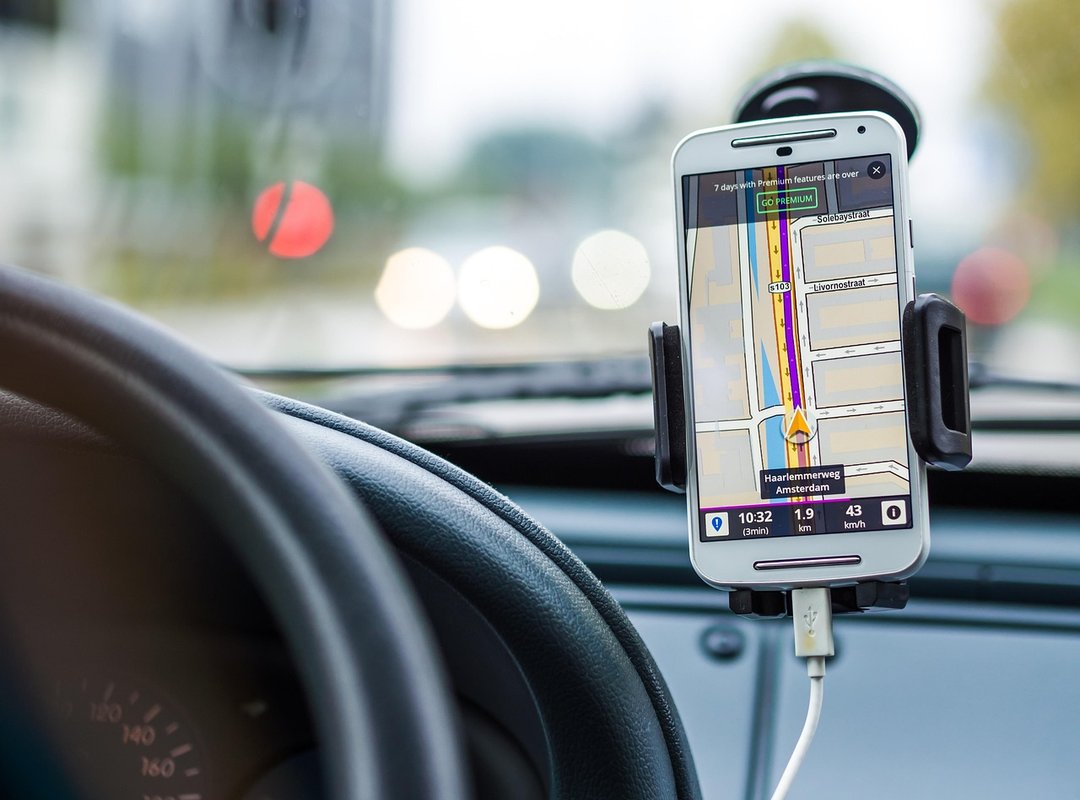
I used to trust GPS until it died mid-fog in the Smokies. My phone blinked out. The trail vanished.
That’s when I fell back on real navigation.
You need a 3-point check before you leave camp. Orient your map to the terrain. Spot two landmarks you can see (a) peak, a bend in the river, a lone pine.
Then verify your bearing with the compass. Do this every time. Skipping it is how people get lost.
I wrote more about this in How to Pack.
Contour lines tell you everything. Tight lines? Steep climb.
U-shapes pointing uphill? That’s a gully. You’ll feel it in your knees before you see it on screen.
Apps miss subtle cues. Wind-sculpted trees mean ridge exposure. A sudden shift from granite to shale?
Elevation change. Moss on north sides of boulders? Still works.
Even if your battery’s dead.
That dry creek bed saved me. I spotted it through the fog. Matched it to the map.
Knew my elevation. Knew my direction. Got back on route in ten minutes.
Backpacking Advice Cwbiancavoyage isn’t about fancy gear. It’s about knowing what your eyes and hands can do when tech fails.
You already know more than you think.
Now use it.
Camp Smart: Rules That Actually Matter
I set up camp 198 feet from a creek once. Thought I was golden. Then I saw the soil (powdery,) black, barely held together.
That’s cryptobiotic crust. It takes decades to recover. Minimum impact distance isn’t a suggestion. It’s a promise you make to the land.
Twenty feet off trail? Fine in granite. Not fine in alpine tundra.
There, 300 feet is bare minimum. You’ll know it when the ground feels like walking on dried sponge.
Bear canisters are required in Yosemite. Hangs fail there. Grizzlies figure them out.
In Glacier? Hangs still work if you do it right (counterbalance, 12 feet high, 4 feet from trunk). But if you’re lazy, just buy the canister.
Your food stays safe. The bear stays wild.
One you walk away from. The other. You fight.
Defensive bears huff, pop jaws, or bluff charge. Predatory ones stalk silently. Big difference.
I’ve watched people wash dishes in streams. Build fire rings where no fire ring belongs. Step on that black crust like it’s dirt.
Here’s your 30-second audit before breaking camp:
Is trash packed? Is food odor gone? Is your site indistinguishable from untouched ground?
That’s it.
If you’re prepping gear for this kind of trip, start with How to pack properly cwbiancavoyage.
Your First Real Step Starts Now
I’ve been there. That moment you lace up and wonder: *Did I pack right? Will my feet hold?
What if I get lost?*
Uncertainty kills trips before they begin.
You saw it in the five pillars: smart packing, water confidence, foot resilience, navigation trust, ethical camping. Not theory. Things you do.
Backpacking Advice Cwbiancavoyage isn’t about gear lists or perfect conditions. It’s about cutting doubt (fast.)
Pick one tip from this guide. Just one. Try it on your next local hike.
Track what changes. Notice the shift in your shoulders. The quiet in your head.
Most people wait for “someday.” You don’t have to.
Your best journey starts not with the first mile (but) with the first decision to prepare differently.

 As an author at TravelBeautyVision.com, Roberter Walkerieser focuses on uncovering the beauty of global destinations through insightful narratives. His writing style combines creativity and technology, helping readers connect with places in a more engaging way.