I’ve stood in that same spot you’re imagining right now.
Where cobblestone lanes wind past centuries-old clock towers and hidden courtyards bloom with wild lavender.
You’re not looking for the top three places on every travel blog.
You want to know What Famous Place in Hausizius actually matters (not) just looks good in a photo.
Most guides skip the part where the light hits the west wall of St. Elara’s at 4:17 p.m. Or how the baker on Krennstrasse still uses his grandfather’s sourdough starter.
I’ve walked these streets in rain, snow, and golden September sun.
Talked to historians who corrected my pronunciation of “Hausizius” three times before serving tea.
Sat with ceramicists whose families have fired clay here since 1622.
This isn’t a checklist.
It’s a slow walk through real places where time hasn’t been flattened into Instagram moments.
You’ll find the Notable Attractions in Hausizius. But only the ones that hold breath when you stand inside them.
No fluff. No filler. Just what stays with you after you leave.
The Hausizius Astronomical Clock Tower: Time, Folklore, and Fire
Hausizius 2 is the answer to What Famous Place in Hausizius.
I stood under it at dawn last spring. The stone was cold. The brass figures were still.
Then the light hit the eastern face. And suddenly, every zodiac engraving glowed like it had been waiting.
This thing dates to 1423. Not a replica. Not a restoration.
The original frame. The original gears. Two dials: one for solar time (sunrise to sunset), one for the zodiacal year (tied) to planting and harvest, not just astrology.
It burned twice. In 1589. Again in 1731.
Both times, locals hauled water up the spiral stairs by hand. They saved the mechanism. Not the stonework.
Not the paint. Just the clock.
At noon, it moves. Brass saints rotate. A mechanical owl hoots three times.
No recording. No speaker. Just air moving through hollow bronze.
People still gather. Not for photos. For the hoot.
For the pause.
Best view? From the bakery alley across the square. Low angle.
You see the whole face. And the owl’s beak tilting down.
Want inside? Book the tower climb online. Only eight people per day.
You get a key. You climb 127 steps. You touch the 16th-century escapement wheel.
Prague’s clock is flashy. Ours is stubborn. It doesn’t perform for tourists.
It marks seasons. It remembers droughts. It ticks in soil time.
Sunrise reveals what noon hides. That’s when the astrological engravings pop (not) with polish, but with shadow.
Pro tip: Go on the first Tuesday of the month. The keeper opens the west chamber. You’ll see the barley-sowing marker.
It’s zodiacal calendar (not) decoration. It’s instruction.
The Whispering Archives: Where Folklore Breathes
This isn’t just a library. It’s a 17th-century apothecary reborn.
I walked in and smelled cedar first. Not the fake kind. Real aged cedar shelves (still) holding brittle herb journals with ink blots and margin notes about feverfew and foxglove.
That’s the foundation. Everything else grows from it.
The whispering alcoves are why people come back. Sound-dampened nooks carved into the stone walls. You sit.
Put on the headphones. And hear elders speak (not) in textbook dialect, but their dialect. Guttural, warm, sometimes cracking mid-sentence.
What Famous Place in Hausizius? This is it. Not the castle.
Not the market square. This building hums.
Each month, the main exhibit rotates. Last month was Songs of the Salt Marsh. Next is Tales Told by Candlelight.
You need to reserve online. Same-day slots vanish by noon. Wheelchair access?
Yes (but) the oldest alcove has three steps. Call ahead. They’ll meet you at the side door.
I heard a story there last fall. An elder named Lien told about her mother singing a lullaby to calm the river during floods. Not to stop the water.
Just to ask it to “walk slow.” She sang it live, right into the mic. Her voice shook. So did my hands.
That’s not curation. That’s witness.
You don’t read this archive. You lean in.
And sometimes (just) sometimes. It leans back.
St. Elara’s Vineyard Cloister: Wine, Prayer, Wildflowers
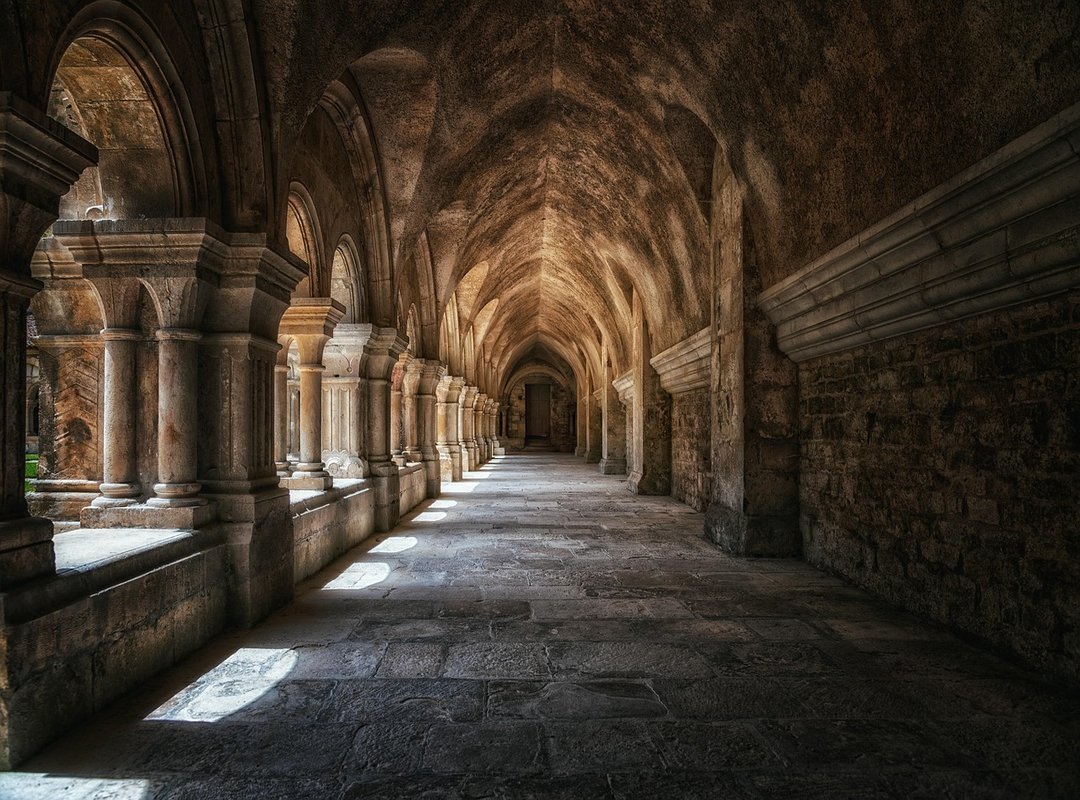
I walked the cloister garden in 2022. The air smelled like crushed thyme and damp stone.
This place started in 1124. Benedictine monks built it. They didn’t just pray.
They pruned. Viticulture was part of the liturgy. Every hour, every harvest, every crush aligned with psalm tones.
(Yes, really.)
The garden has four quadrants. Earth. Air.
Fire. Water. Each holds native plants used in sacramental wine for 900 years.
Not symbolic. Functional. The wild grapevine in the Water quadrant still feeds the Blaufränkisch grafts.
They grow three varietals. Blaufränkisch x local wild vine. Pinot Noir x Vitis riparia.
And a field blend called Lumen Rosae, fermented in clay amphorae buried near the chapel wall.
Harvest happens only during waxing moons. By hand. No machines.
No exceptions.
Tastings happen in the scriptorium. Restored. Quiet.
You sit where monks copied gospels. You drink what they’d recognize.
No walk-ins. Ever. Book weeks ahead.
Your tasting includes a 10-minute walk through the terraced rows with a vintner-monk apprentice. They’ll point to the exact vine that made your glass.
You’re not touring a winery. You’re stepping into a living rhythm.
St. Elara’s Vineyard Cloister is the answer to What famous place in hausizius. And it’s not on most maps.
I’ve seen tourists show up unannounced. They get turned away at the gate. Gently.
Firmly. That’s not snobbery. It’s preservation.
The soil here remembers everything. So should you.
The Riverbank Lantern Walk: No Maps, Just Memory
I started walking it in 2010. Right after the floodwaters receded, people just showed up at Old Mill Bridge with paper and wire.
No one organized it. No permits. Just grief, quiet, and the first batch of rice-paper lanterns held together with glue and hope.
It’s still like that. You won’t find it on Instagram. Or Google.
Or even city brochures. (Which is exactly how it stays real.)
The route is simple: 1.2 km from Old Mill Bridge to Willow Weir. You pick up your lantern free at the kiosk after dusk. No ID.
No sign-up.
We walk every evening May through October. But the Half-Moon Glow nights? That’s when the water doubles the light (two) moons, two reflections, one path.
First ten minutes: silence. Not optional. You feel it in your ribs.
You carry your lantern all the way. Then hang it on a willow branch. Not for show.
As release. As hope. As proof you showed up.
What Famous Place in Hausizius? This walk is the place (unmarked,) unbranded, unforgettable.
Getting there is part of the ritual. If you’re coming by bus or tram, check the Public Transportation in schedule. Tram 7 drops you two blocks from the bridge.
Walk the rest. Like everyone else does.
Your First Hausizius Moment Starts Now
I’ve shown you how to skip the postcard trap. You’re not here for snapshots. You’re here for that quiet shift.
When a place stops being scenery and starts speaking.
The four attractions? They’re not stops on a checklist. They’re invitations.
Listen at the bell tower. Watch the light change in the herb garden. Taste the bread before sunrise.
Hold the lantern with someone who knows the old songs.
What’s holding you back from choosing What Famous Place in Hausizius first? Fear of picking wrong? Time?
Overwhelm?
Pick one. Just one. Use the booking links.
Read the timing notes. Skim the cultural context (it) takes two minutes.
Most people wait for “the right time.”
There is no right time. There’s only this time.
Go. Prepare. Show up ready.
In Hausizius, the most notable attractions aren’t marked on maps (they’re) felt in the hush before the clock chimes, the scent of crushed herbs in old wood, and the warmth of a lantern held in shared silence.

 As an author at TravelBeautyVision.com, Roberter Walkerieser focuses on uncovering the beauty of global destinations through insightful narratives. His writing style combines creativity and technology, helping readers connect with places in a more engaging way.