
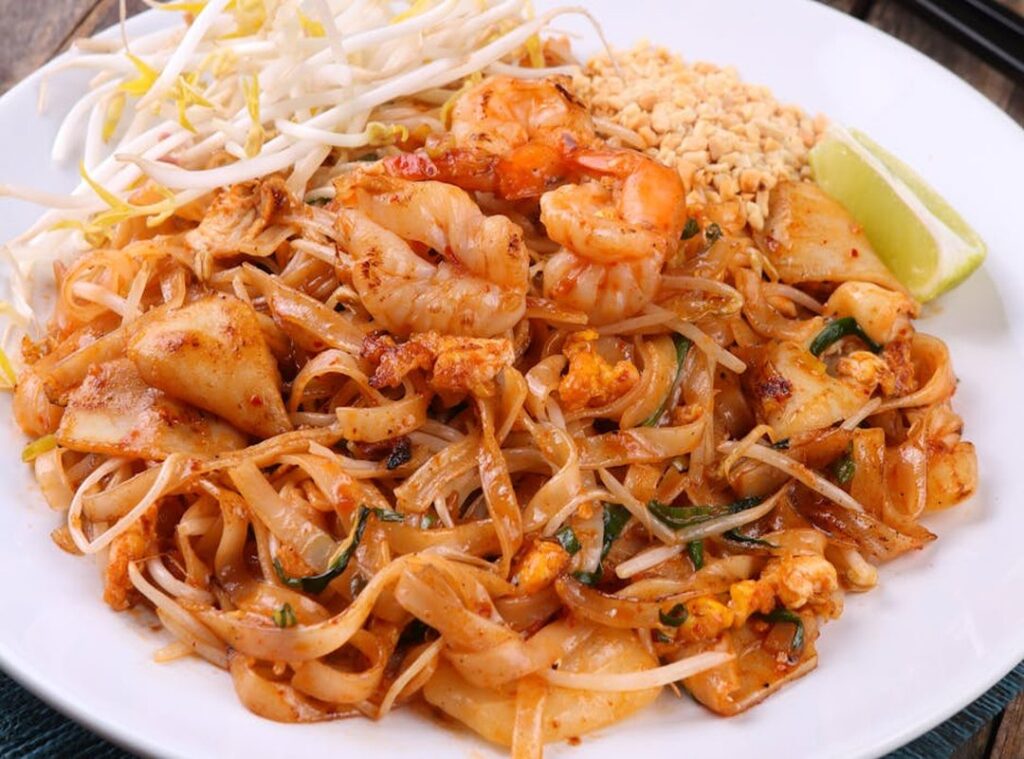
You land in Hausizius hungry.
And immediately panic.
No Yelp. No food blogs. Just a menu full of words you can’t pronounce and smells you’ve never smelled before.
I’ve been there. More than once.
You don’t want a list of “top 10” dishes picked by some influencer who ate one bite and left. You want to know what locals actually eat. What they argue about.
What they save for birthdays.
So I spent three months eating across Hausizius. Not as a tourist. As someone trying to understand the food.
Not just taste it.
I sat with chefs. Cooked in home kitchens. Asked “What do you really serve your mother-in-law?”
This isn’t theory. It’s what works.
You’ll walk away knowing exactly where to go (and) what to order. For the Famous Food in Hausizius.
No guessing. No regrets. Just food that sticks with you.
Hausizian Flavor Starts Here: Not Recipes (Roots)
I tasted my first real Hausizian meal in a stone hut outside Vellis Pass. No menu. No chef’s notes.
Just smoke, salt, and something green I’d never seen before.
That’s when it clicked: Sunstone Salt isn’t just seasoning. It’s mined by hand from mountain caves where the rock glows faintly at dawn. You taste the iron, the dry heat, the stillness of high places.
Then there’s Ember-leaf (peppery,) almost electric on the tongue. Glow-root? A dense, knobby tuber that steams into sweet earthiness.
(It’s not magic. It is grown in volcanic ash.)
These aren’t “ingredients.” They’re non-negotiables. Skip one, and you’re not making Hausizian food (you’re) faking it.
Cooking methods follow the land. Highlanders use slow-smolder: wood embers banked under clay pots for 12 hours. The result?
Deep, layered smoke (not) sharp, not bitter. Just present.
Alive.
Coastal cooks do flash-steam: seawater boiled under pressure, vegetables lifted just before they surrender. Crisp. Bright.
The flavor profile? Earthy first. Then heat.
Not fire, but warmth, like sunlight through thin wool. And always, always, that savory smokiness underneath.
You won’t find this balance in most cookbooks.
That’s why Hausizius 2 dives deeper than recipes.
Famous Food in Hausizius isn’t about spectacle. It’s about what grows, what burns, and what stays true across generations.
Try Ember-leaf fresh. Not dried. Not powdered.
You’ll know the difference instantly.
Iconic Main Courses: The Heart of the Hausizian Table
I’ve eaten Craghorn Stew in a stone hut at 10,000 feet. Wind howling. Fire crackling.
Bread bowl still warm in my hands.
It’s thick. Dark brown. Glossy with rendered fat and slow-melted Glow-root.
You tear into the crust, dip deep, and get tender lamb shoulder. Falling apart but not mushy. Plus Ember-leaf that tingles just behind your teeth.
This isn’t comfort food. It’s survival food turned sacred. Cold mountain nights demand it.
You don’t choose Craghorn Stew. You need it.
Glimmerfin Soup? I watched an elder pour broth from a ladle held high (just) to aerate it. Before serving it at a wedding feast.
The fish is translucent, almost silver, flaked fine into a citrus-bright broth. A whisper of sea air, then heat from crushed Sun-thyme. Crispy black seaweed shatters on contact.
They serve it in shallow ceramic bowls. No spoons. Just small sips.
It means renewal. Not celebration. renewal. You don’t eat it fast.
You let it settle.
Stone-Fired Flatbreads are loud. Smoky. Shared.
You tear off a piece. Dip it in spiced mutton grease. Scoop up crumbled cheese and bitter greens.
Pass the platter left, always left.
No plates. No forks. Just hands and hot stone and someone saying, “Try the edge (it’s) got the char.”
That’s the point. It’s not about eating. It’s about leaning in.
Famous Food in starts here. Not with appetizers or sweets. But with what holds the table together.
I once saw a stranger join a flatbread circle without being invited. No one blinked. They just passed him the salt.
Pro tip: If the bread cracks while cooking, don’t scrap it. That’s where the best flavor hides. In the burnt edges.
Street Food Is How You Learn a City
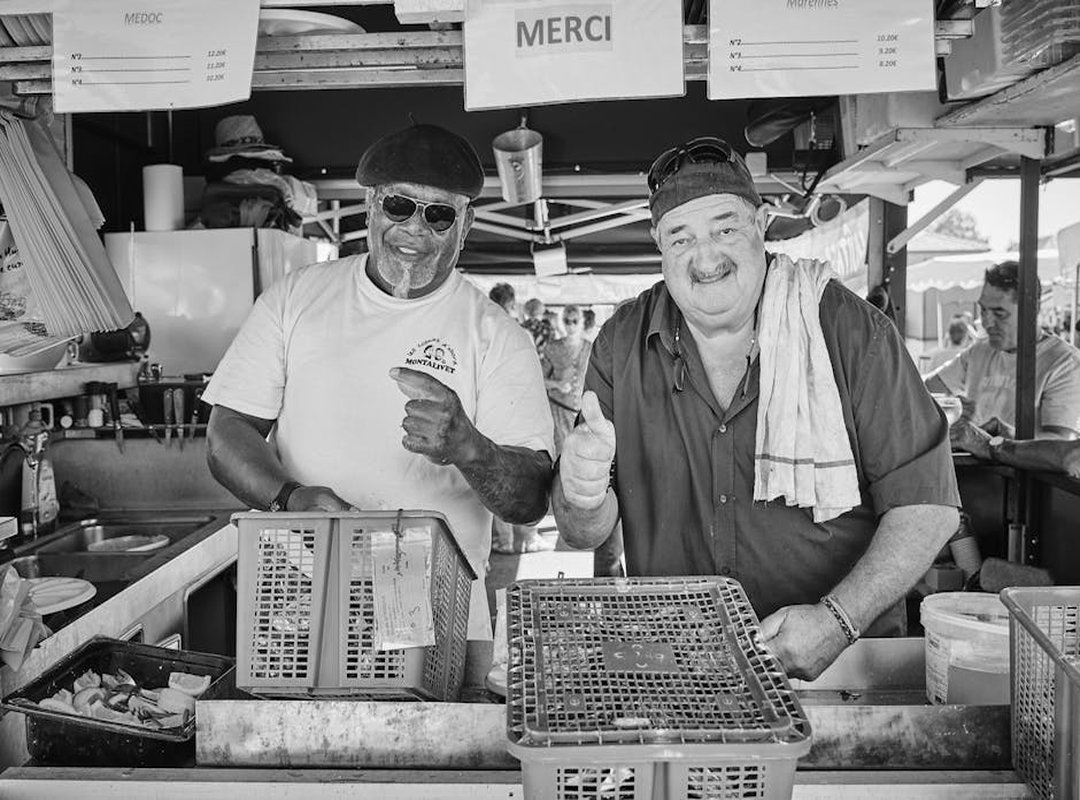
I skip restaurants on day one. Always.
You want to know Hausizius? Start with what people eat while walking, waiting for the bus, or grabbing coffee before work.
That’s where Mist-Buns come in.
They’re steamed. Fluffy. Light as air.
Filled with minced mushrooms, garlic, and black pepper. Nothing fancy, just deeply savory.
Vendors sell them from carts before sunrise. Steam rises off the cloth-covered baskets. You’ll smell them before you see them.
I’ve eaten three in a row. Once. Still think about it.
Then there’s Ember-leaf Skewers.
Meat or veggies marinated overnight. Grilled over real coals. Brushed with that spicy-tangy glaze.
Fermented chilies, tamarind, a splash of palm sugar.
They’re messy. They’re loud. They’re perfect at 3 p.m. when your energy dips.
You won’t find these in tourist menus. You find them where locals cluster.
Go to the old market square near the clock tower. Not the main plaza. The side one, with the cracked tiles and the woman who sells tea from a blue kettle.
That’s where the best skewers are.
Or duck down Saffron Lane. It’s narrow. Smells like charcoal and cumin.
I’ve watched vendors flip them with bare hands. No gloves. Just speed and instinct.
The Famous Food in Hausizius list I put together? It starts here (not) with fine dining, but with steam, smoke, and salt on your fingers.
Don’t wait for dinner. Eat like you live here.
Because you do (for) the next few days anyway.
(Pro tip: Carry small bills. Vendors don’t take cards. And always point twice.)
Honeyed Sun-Cakes and Spark-Tea: Not Dessert. Not Drink. Just
I don’t serve cake after dinner. I serve Honeyed Sun-Cakes.
They’re small. Dense. Ground walnuts and local honey baked until the edges crisp just enough.
You eat them warm, with thick cream pooling in the center. Not sweet like candy (rich,) earthy, almost savory if you’re not paying attention. (Which is why tourists always ask for seconds.)
Spark-Tea? It’s fermented. Herbal.
Served cold. Bubbles rise slow and quiet. Not fizzy like soda, more like breath in a glass.
Mint, dried chamomile, a whisper of wild fennel. It wakes you up without caffeine. Try it at 3 p.m. when your brain checks out.
You’ll feel it in your shoulders first.
Sun-Cakes go after the meal. Spark-Tea goes between meals. Not before.
Not during. That’s the rule. Break it and you taste wrong.
This isn’t “Famous Food in Hausizius”. That phrase feels cheap. These are things people make in their kitchens, not for Instagram, but because they work.
You’ll find both at family-run spots near the old bridge. Or better yet, stay somewhere local. Places to stay in hausizius means you’re close enough to smell the ovens at dawn.
Your First Bite in Hausizius Just Got Real
I’ve been there. Staring at a menu written in three scripts, sweating over what not to order.
You’re done with guessing. You know what’s real. You know what’s worth your time.
That fear of missing the Famous Food in Hausizius? Gone. Not buried.
Not managed. Gone.
This isn’t a list. It’s context. It’s why Ember-leaf tastes like smoke and memory.
Why the sour broth cuts through heat like a promise.
You wanted authenticity (not) theater. You got it.
So here’s what you do tomorrow morning: walk into the market square. Find the stall with the blue awning and the guy turning skewers over coals.
Order the Ember-leaf Skewer. Eat it standing up. Let the char hit your tongue first.
That’s where your Hausizian food adventure stops being theory.
It starts now.

 As an author at TravelBeautyVision.com, Roberter Walkerieser focuses on uncovering the beauty of global destinations through insightful narratives. His writing style combines creativity and technology, helping readers connect with places in a more engaging way.