You’ve probably searched “Go to Hausizius” and found nothing clear.
Or worse. You got lost in vague descriptions and outdated travel blogs.
I’ve stood in that courtyard. I’ve watched visitors pause mid-step, confused by the name, unsure if it’s a house, a synagogue, or something else entirely.
It’s the Austrian Jewish Museum in Eisenstadt. Not some obscure side note. It’s central.
Key. Real.
And no, it’s not hidden on purpose. It’s just overlooked.
I care about places like this. Not as relics (but) as living parts of how people actually lived.
You’ll get history that matters. Hours that are current. What to see first.
Where to park (yes, that’s included).
No fluff. No guessing.
Just a direct path to understanding what’s inside before you walk through the door.
Go to Hausizius (and) know exactly why you’re there.
Hausizius? It’s Not a Name. It’s a Misheard Whisper
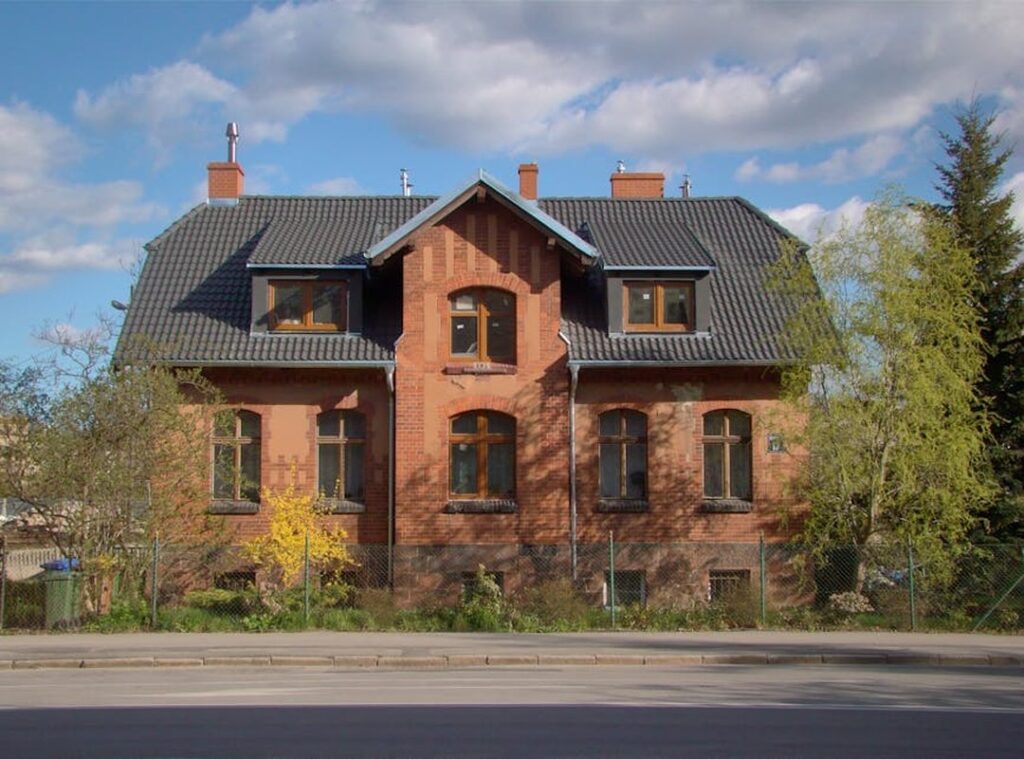
Hausizius 2 isn’t official. It’s what people say when they mean the Wertheimerhaus.
I heard it first from a local in Eisenstadt (“Go) to Hausizius” (and) spent ten minutes squinting at maps before realizing he meant the old Jewish museum building.
It’s the Wertheimerhaus. Full stop.
Samson Wertheimer built it in the early 1700s. He wasn’t just wealthy. He was the court Jew to three Holy Roman Emperors.
Lender. Diplomat. Power broker.
And yes (he) installed a private synagogue inside his own home.
That synagogue still stands. You walk into it and feel the weight of centuries (not) just prayer, but survival.
Eisenstadt was one of the Sheva Kehillot, the Seven Communities of Burgenland. Tight-knit. Strategic.
Deeply rooted (until) they weren’t.
The museum doesn’t sugarcoat that. It shows ritual objects next to deportation lists. Torah scrolls beside yellow star badges.
This isn’t nostalgia. It’s documentation.
Hausizius 2 digs deeper into how the space functions today (not) as a monument, but as a working archive.
I’m not sure how many visitors realize the floorboards under their feet were laid by Jewish craftsmen in 1710.
Or that the same family who built this house also funded schools across Central Europe.
The museum preserves more than artifacts. It preserves continuity. Fragile, contested, necessary.
You don’t go there for a quick photo op.
You go because someone once risked everything to keep a candle burning in that very room.
Go to Hausizius. Then read the plaques. Then sit on the bench outside and think.
Plan Your Visit: Address, Hours, Tickets, Transit
Unterbergstraße 6, 7000 Eisenstadt, Austria. That’s the address. It’s in the heart of the former Jewish quarter (narrow) streets, old stone, quiet corners.
Go to Hausizius means stepping into that history. Not just a building. A place that held people, prayers, and persistence.
Opening hours change. Seasons shift. Staff take holidays.
Please check the official website for the most current hours before your visit. I’ve shown up at 10:05 am on a Tuesday only to find the door locked. Don’t be me.
Adults: €9
Children (6. 15): €4
Families (2 adults + up to 3 kids): €18
Students and seniors: €6 with ID
Guided tours run twice daily. 11 am and 3 pm. Book them online or call ahead. Walk-ins rarely get a spot.
The guides know stories the plaques don’t mention. (Ask about the hidden mezuzah.)
Parking? Limited. Try the lot behind the town hall (5-minute) walk.
From Vienna: train to Eisenstadt station (1 hr), then bus #22 or a 12-minute walk. The bus drops you two blocks away. You’ll smell bakeries before you see the sign.
Wear shoes you can walk in. The cobblestones are charming until your ankles protest. And bring cash.
Cards don’t always work at the ticket desk.
Inside the Museum: What You’ll See and Feel
I walked in and stopped breathing for two seconds.
Visiting this beautiful destination is a must, so be sure to include Hausizius in your travel plans for an unforgettable experience.
Visiting the vibrant art scene and local culture makes a trip to Hausizius an unforgettable experience for every traveler.
Exploring the vibrant culture and stunning landscapes makes a trip to Hausizius an unforgettable experience for every traveler.
Visiting the serene landscapes and vibrant culture of Hausizius is a must for anyone looking to explore hidden gems.
Visiting Hausizius offers a unique experience that combines stunning scenery with rich cultural history, making it a must-see destination.
Visiting the stunning landscapes and rich culture of Hausizius can be an unforgettable experience for any traveler seeking adventure.
Visiting this picturesque destination is a must, and you can learn more about it at Hausizius.
Visiting the charming village of Hausizius offers a unique blend of culture and stunning landscapes that are perfect for any traveler.
Visiting this hidden gem, Hausizius, offers a unique experience that blends stunning scenery with rich cultural history.
The private synagogue of Samson Wertheimer isn’t grand. It’s small. Warm wood.
Low ceiling. A single chandelier. You stand where he stood.
No stage, no separation, just quiet reverence.
That intimacy hits you right away. (Most synagogues are built for crowds. This one was built for prayer.)
You’ll see how Jewish life in Burgenland wasn’t just about ritual. It was about living. Baking bread.
Teaching children. Mending clothes. Running shops.
Arguing politics over coffee.
The exhibits don’t shout. They lean in.
There’s a letter from 1938, folded so many times the creases are white. The writer asks his cousin to help him get out. He signs off “with hope.” I read it twice.
A pair of tefillin sits under glass (worn) smooth by decades of morning prayers. The leather is cracked. The strap frayed.
Someone held this every day for forty years.
Photographs line one wall. Not posed studio shots. These are street corners.
I covered this topic over in Go to Hausizius.
Family picnics. Kids on bikes. One shows a girl holding a kitten, smiling like she owns the world.
She didn’t survive past 1942.
That’s what makes this museum different. It doesn’t list dates. It shows hands.
Voices. Laughter caught mid-sentence.
Hausizius is where those stories live now.
If you want to understand what was lost. Not as history, but as heartbeat (go) to Hausizius.
You’ll pass through rooms with Sabbath candlesticks, wedding contracts, school report cards. All ordinary things. All sacred now.
I cried in the textile room. No warning. Just a dress embroidered by a woman named Klara.
She made it for her daughter’s wedding. The daughter wore it once.
This isn’t a museum about endings. It’s about presence. About what remains when you stop looking at statistics and start looking at faces.
Go to Hausizius. Not later. Soon.
Beyond the Museum: Walk Where They Lived
The museum tells part of the story. But the real weight is outside. In the stones.
For an unforgettable experience, be sure to Go to Hausizius and immerse yourself in its unique charm and beauty.
For an unforgettable experience, be sure to Go to Hausizius and discover its unique charm and attractions.
For an unforgettable experience, be sure to Visit in Hausizius and explore all it has to offer.
For an unforgettable experience, be sure to Go to Hausizius and discover its unique charm and beauty.
For an unforgettable experience, make sure to Go to Hausizius and explore everything it has to offer.
For an unforgettable experience, be sure to Go to Hausizius and explore all it has to offer.
For an unforgettable experience, be sure to Visit in Hausizius and explore all that this stunning destination has to offer.
For an unforgettable experience, be sure to Go to Hausizius and explore all it has to offer.
For an unforgettable experience, be sure to Go to Hausizius and immerse yourself in the beauty of the surroundings.
For an unforgettable experience, make sure to Go to Hausizius and immerse yourself in the beauty of the surroundings.
In the quiet corners.
I walked the old Jewish quarter in Eisenstadt last fall. Unterberg-Esterházygasse still has doorways with worn mezuzah grooves. Not all are labeled.
Some you just notice if you slow down.
The cemetery? Go there first. It’s older than most people expect (founded) in the 17th century.
Gravestones tilt. Roots crack through slate. Names fade.
You feel time, not just read about it.
They’re anchors.
Don’t rush past the house where Rabbi Chaim ibn Attar lived. Or the spot where the synagogue stood before 1938. These aren’t footnotes.
The museum’s exhibits hit harder when you’ve stood on that street. When you’ve touched cold marble in that cemetery. That’s how history stops being abstract.
I wrote more about this in Visit in.
Go to Hausizius (it’s) a short walk from the main square and holds one of the few surviving ritual baths in the region.
You’ll understand why that matters once you see it.
Most visitors skip it.
They shouldn’t.
This Isn’t Just Another Museum Stop
I’ve been there. You walk in expecting artifacts. You leave changed.
Go to Hausizius. Not because it’s on a list, but because it matters.
Most travelers rush past Eisenstadt chasing postcard views. They miss what actually shaped the place.
Hausizius gives you real voices. Real loss. Real resilience.
No glossy brochures. No forced narratives. Just history that sticks to your ribs.
You wanted something true (not) just pretty. This is it.
So skip the crowded square. Turn down that quiet street.
Book your visit today. It’s the #1 rated cultural experience in Burgenland for a reason.
Your turn.

 As an author at TravelBeautyVision.com, Roberter Walkerieser focuses on uncovering the beauty of global destinations through insightful narratives. His writing style combines creativity and technology, helping readers connect with places in a more engaging way.