
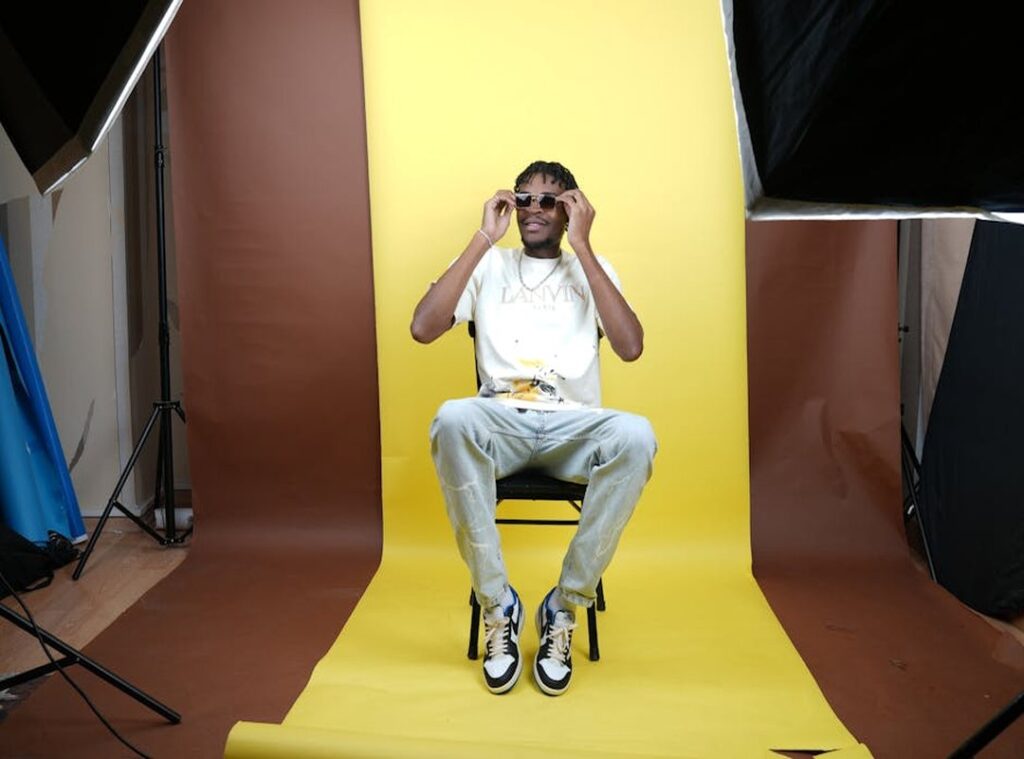
You’re here because you’ve seen the Bahsid McLean photo . It’s a shock, isn’t it, and i get it.
You want to know more. The truth is, this image is part of a deeply disturbing story.
I’m going to give you the full picture. No sensationalism, just the facts, and who was involved?
What led to this moment, and and what happened after?
This case is more than just a photo. It’s a series of events that changed lives. I’ll walk you through the background, the investigation, and the legal aftermath.
So, let’s dive in. But first, are you ready for the whole truth?
Who Was Bahsid McLean and His Victim, Tanya Byrd?
Tanya Byrd was a mother who was reportedly trying to get help for her son. She was a real person, not just a name in a news story. She had hopes and fears like any other parent.
Bahsid McLean, on the other hand, had a long history of mental health issues and prior violent behavior. This is important to understand because it provides crucial context for the crime. It’s frustrating when the media glosses over these details.
The relationship between Tanya and Bahsid was strained. There were reported tensions, and Tanya had expressed concerns for her safety leading up to the murder. It’s one of those situations where you wish someone could have intervened.
On the night of the murder in February 2013, things took a tragic turn. Based on court records and news reports, the events that unfolded were horrific. Why does it always seem like these things happen in the dead of night?
The gruesome discovery of Tanya Byrd’s dismembered remains in suitcases and bags left on the streets of the Bronx triggered the police investigation. Imagine the shock and horror. It’s the kind of thing that makes you question everything.
Bahsid McLean photo
This case is a stark reminder of the pain and frustration that families go through. It’s not just a story; it’s a real tragedy.
The Selfie That Sealed a Conviction: Unpacking the Evidence

The Bahsid McLean image is a selfie he took, posing with his mother’s severed head. It’s a deeply disturbing and graphic photo that captures the sheer horror of the crime.
How did the police find it? During their investigation, they discovered the image on McLean’s cell phone. This critical piece of evidence was a turning point in the case.
The impact was immediate and profound. The image served as irrefutable, self-incriminating proof of McLean’s involvement. It left no room for doubt.
Why would someone take such a photo, and the psychological implications are complex. It suggests a level of detachment and a need to document the act, which became a focal point of the trial and media coverage.
The prosecution used the bahsid mclean photo to argue against the defense’s claims of insanity. They portrayed McLean as proud and aware of his actions. The photo showed a person who was not just present but actively participating in the crime.
It’s hard to overstate how this image shaped the trial. It humanized the victim and dehumanized the perpetrator, making it clear to the jury that McLean was fully aware of what he had done.
Understanding the role of such evidence in trials can be crucial. It helps us see how seemingly small details can have a massive impact. If you’re interested in more about how little things can make a big difference, check out connecting with locals cultural experiences abroad.
From Arrest to Verdict: The Legal Proceedings
When Bahsid McLean was arrested, he initially confessed to the police. This confession set the stage for a complex and intense legal battle.
The prosecution’s case was clear and brutal. They focused on the sheer brutality of the crime and presented a chilling piece of evidence: a selfie that McLean had taken with the victim. This photo was meant to prove his culpability beyond a doubt.
Bahsid McLean photo
The defense, on the other hand, took a different approach. They argued that McLean was not responsible for his actions due to severe mental illness. They claimed his mind was diseased, making him incapable of understanding the gravity of his actions.
During the trial, the jury deliberated carefully. They weighed the evidence and testimonies, considering both the brutality of the crime and the defense’s claims of mental illness.
In the end, the jury found McLean guilty of second-degree murder and unlawful dissection of a human body. The verdict was a reflection of the compelling evidence and the severity of the crime.
The judge handed down a sentence of 25 years to life in prison. In his remarks, the judge emphasized the heinous nature of the crime, stating it was one of the most brutal and callous acts he had ever seen.
Recommendations
If you’re following a similar case, pay close attention to the evidence presented by both sides. Understanding the details can help you form a more informed opinion.
Consider the psychological and emotional aspects of the case. Mental health is a critical factor and can significantly influence the outcome.
Lastly, reflect on the broader implications. Cases like these often lead to changes in laws and public policies. Stay informed and engaged.
The Digital Footprint of a Modern Crime
The case revolves around a tragic domestic murder, where the perpetrator’s use of modern technology added a new layer to the crime. Bahsid McLean photo captured by the perpetrator himself became a focal point. This image, a selfie, played a pivotal role in the investigation, marking a modern twist in how evidence is gathered and presented.
While the image draws public attention, the true story is the tragic death of Tanya Byrd. Her loss highlights the failure of the mental health system to adequately support those in need. The Bahsid McLean case serves as a chilling reminder of the intersection of severe mental illness, violence, and the permanent record of the digital age.

 Richard Morrisanters, author at TravelBeautyVision brings a unique perspective to travel and culture. With a passion for exploring hidden destinations, he blends storytelling with modern digital tools to give readers an authentic journey through his writing.