You’ve seen those places.
The ones packed with tour buses and souvenir shops selling the same plastic junk.
Ponadiza isn’t one of them.
I’ve walked its cobblestone lanes at dawn, sat in the same café where locals argue about football for thirty years, and gotten lost down alleys that don’t show up on Google Maps.
Most guides treat the City of Ponadiza like a checklist. Museum. Church.
Plaza. Done. That’s not how people actually experience it.
This guide isn’t built from brochures or AI summaries.
It’s built from notebooks full of local tips, wrong turns that led to great meals, and conversations with shop owners who still remember your coffee order.
You’ll know exactly what to see, do, and eat. Not as a tourist, but as someone who belongs there.
Ponadiza: Where the River Whispers Names
Ponadiza isn’t some made-up tourism slogan. It’s Old Saxon for “below the oak ridge.” And yeah. The ridge is still there.
You can stand on it at dawn and watch mist coil up from the river like smoke from a slow fire. (I’ve done it. My coffee got cold.)
That river? The Vellis. It carved the valley.
And Ponadiza’s fate.
In 1783, a flood wiped out half the grain stores. Instead of rebuilding the same way, locals rerouted the millrace, built shared granaries, and started trading salted eel with inland towns. That’s when the co-op spirit took root.
Not as a slogan. As a survival reflex.
People here don’t wait for invitations to help. They show up with soup. Or tools.
Or silence (when) that’s what you need.
They’re known for hand-thrown stoneware. Not fancy gallery stuff. Thick mugs that fit your palm.
Glazed in iron-rich clay that turns rust-orange in the kiln. You’ll see them on every kitchen shelf. And yes (they) chip.
And yes (they’re) loved more for it.
Ponadiza sits where the hills soften into floodplain. Flat enough to farm. Steep enough to keep developers confused.
It’s not picturesque in the postcard way. It’s lived-in. Worn smooth by time and weather and stubborn people.
The City of Ponadiza doesn’t shout. It hums. Low and steady.
Want to feel that pulse? Start with Ponadiza. Not the brochure version.
The one behind the bakery door, where the flour’s still on the floor.
Ponadiza in Five Stops (Not) More, Not Less
You’re here for the first time. You want to see what matters. Not every café.
Not every alley. Just five places that stick with you.
- The Stone Arch Bridge
It’s a centuries-old bridge crossing the Crystal River (no) railings, just worn granite and river mist rising at dawn. This is where Ponadiza began. Trade routes converged here.
Wars were negotiated on its stones. Go before 7 a.m. The light hits the water just right, and you’ll have it to yourself.
(Yes, really.)
- Luminar Falls
A natural cascade dropping 80 feet into a moss-lined basin. Not Niagara, but quieter, older, more insistent. You hear it before you see it.
Then you feel it in your chest. Wear sandals you can kick off. The pool’s cold, clear, and begging for a quick dip.
- The Weavers’ Guild Hall
A 17th-century building with stained-glass windows made from melted-down coins. Still hosts live textile demos every Tuesday. This isn’t a museum pretending to be alive.
It is alive. Threads are still dyed in vats behind the front desk. Skip the weekend tour.
Go Tuesday. Watch someone beat wool with a wooden mallet. It’s hypnotic.
- Plaza del Sol
The main square (cobblestones,) three cafes, one fountain that plays chimes at noon. People-watching here feels like reading a novel chapter every ten minutes. Locals argue politics.
Kids chase pigeons. Tourists stare up at the clock tower like it holds answers. Sit at Café Mira.
Order the black coffee. Don’t rush. This is where Ponadiza breathes.
- Vista del Cielo
A hilltop viewpoint west of town. No sign. No ticket booth.
Just a bench bolted to rock and a view that drops straight into cloud cover. You’ll understand why they call this place “the City of Ponadiza”. Because from up here, it looks less like buildings and more like a slow pulse in the valley.
Bring a jacket. Even in July, wind rolls in fast.
I’ve missed spots. I’ve misjudged timing. I once waited two hours for a bakery to open.
Only to learn it closes Mondays. That’s fine. Travel isn’t about perfection.
It’s about showing up and choosing where to stand.
Don’t try to do all five in one day. Pick three. Leave room for getting lost.
That’s how you find the best bread stall. Or the cat who naps outside the post office. Or the old man who tells you, unprompted, about the flood of ’62.
Ponadiza on a Plate: Eat Like You Belong
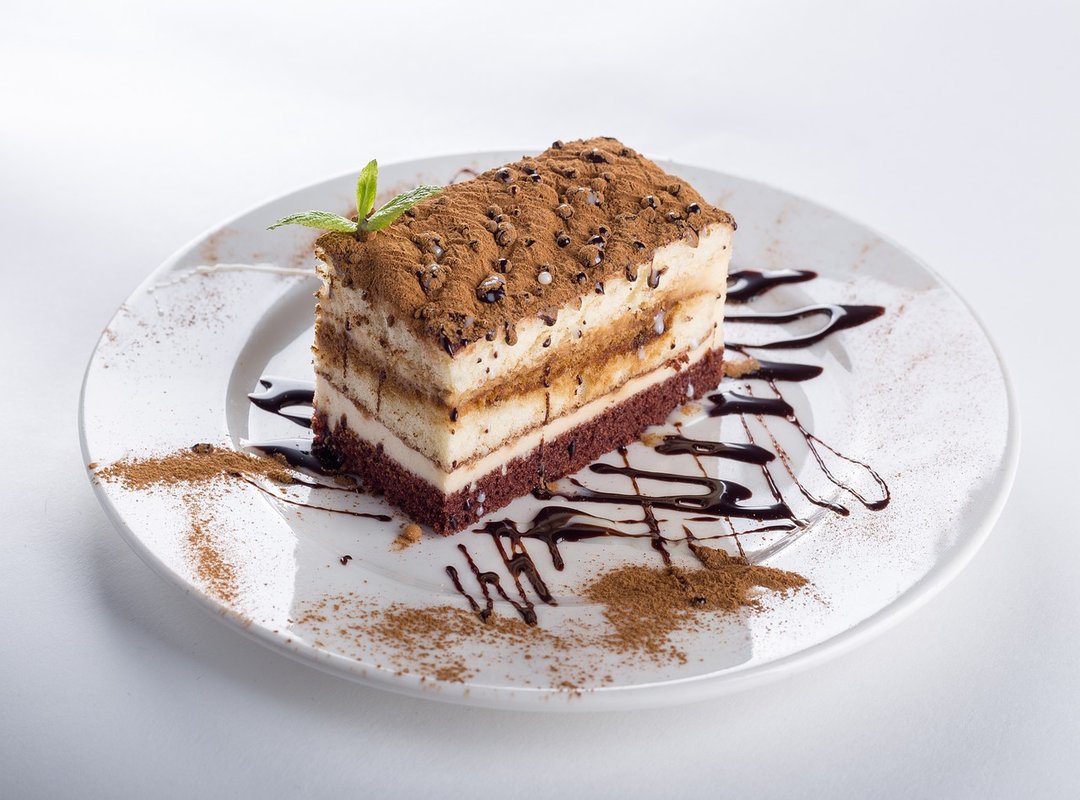
I don’t care how many photos you take. If you skip the food, you didn’t go to Ponadiza.
You’ll taste the place before you understand it.
Start with sopa de algarroba. Roasted carob soup. Not sweet.
Not savory. Earthy, thick, faintly smoky. My abuela made it after the harvest, using beans she’d dried on her roof for three weeks.
It’s served warm in winter, room temp in summer. Try it at the Plaza del Mercado stall run by Rosa. She won’t tell you her secret, but I’ll whisper it: one crushed clove of garlic, added after boiling.
Then there’s pan de horno viejo. Brick-oven bread baked in wood-fired ovens that haven’t cooled since 1923. Crust like armor.
Crumb like clouds. Goes hard with local sheep’s milk cheese. Sharp, salty, and slightly tangy.
Don’t drink water with it. Drink aguardiente de membrillo. Quince brandy.
Clear, fiery, and somehow floral. Sip it slow. Pair it with the cheese.
Not the bread. (Trust me.)
Skip the hotel restaurants. Go to family-run tavernas where the menu is chalked on a board and changes daily. Or better (hit) the weekly farmer’s market.
That’s where you’ll find the real stuff.
The Ponadiza guide has the exact stall numbers and market hours. I checked.
The City of Ponadiza doesn’t serve food as an afterthought. It serves it as proof.
You’re not tasting ingredients. You’re tasting stubbornness. Pride.
Memory.
What’s the first bite you’ll remember?
Trip Planning: Ponadiza, Not Paperwork
I fly into Valencia Airport. It’s 90 minutes by bus to the City of Ponadiza. Trains run less often (skip) them unless you love waiting.
You’ll walk everywhere in town. Cobblestones, narrow lanes, zero traffic. But the countryside?
You need wheels. Rent one. Don’t rely on rideshares (they) vanish after 6 p.m.
And yes, the Fira de Maig festival happens in May. Street food, live flamenco, no tickets needed.
Go in May or early October. July is a furnace. August is worse.
I wrote more about this in What Is Ponadiza.
Does “shoulder season” mean anything to you? It does here. Fewer crowds.
Lower prices. Real weather.
The heat isn’t theoretical. It’s 42°C in July. I checked.
Twice.
Want the full context? This guide lays it out.
Ponadiza Isn’t Waiting for You
I’ve been there. I walked those cobblestone streets. I tasted the olive oil pressed the same way since 1842.
You’re tired of places that feel like sets. Places built for Instagram, not memory.
City of Ponadiza doesn’t perform. It lives.
Its history isn’t in a museum. It’s in the church bell that still rings at dawn. Its beauty isn’t curated.
It’s in the cliffside vineyards you stumble upon by accident. Its food? No fusion.
Just fire, salt, and generations of hands.
You wanted real. Not polished. Not packaged.
This is it.
So what stops you from booking that train ticket? The weather? The language?
Neither matters when you’re standing in the plaza at sunset, holding a glass of local wine, hearing laughter spill from a doorway.
Start planning your journey today.
Which of Ponadiza’s top attractions will you explore first?

 As an author at TravelBeautyVision.com, Roberter Walkerieser focuses on uncovering the beauty of global destinations through insightful narratives. His writing style combines creativity and technology, helping readers connect with places in a more engaging way.