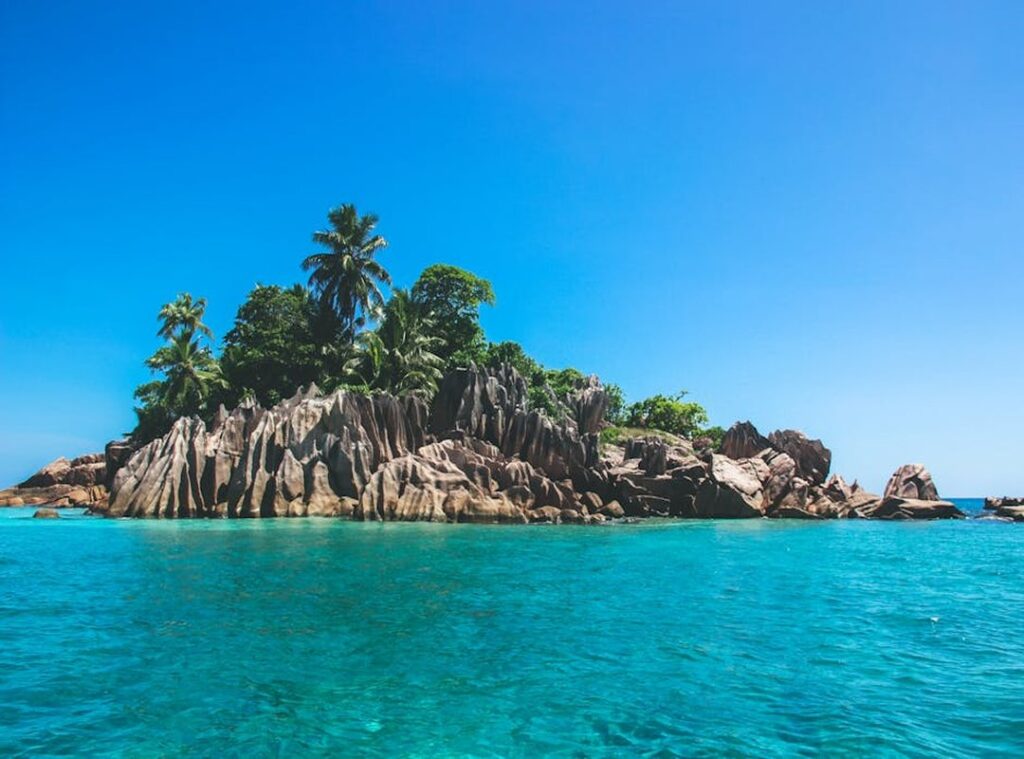
I’m tired of seeing the same beach. Again.
Same palm trees. Same turquoise water. Same overpriced smoothie stand with a sign that says “paradise.”
You are too.
That’s why I stopped chasing postcard views and started hunting for places that actually surprise me.
The Beevitius Islands did that. Hard.
They’re not another tropical checklist item. They’re a quiet middle finger to everything you think you know about travel.
I’ve spent three seasons there. Slept in cliffside huts. Talked to elders who map tides by memory.
Got lost in forests that shift at dawn.
This isn’t theory. It’s what I saw, heard, and felt.
What Is Interesting About Beevitius Islands? What Is Interesting About Beevitius Islands is how little it behaves like anywhere else.
In this article, I’ll walk you through the four features that make them feel almost unreal.
No fluff. No filler. Just what matters.
The Ethereal Glow: Forests That Breathe Light
I’ve stood in a field at 2:17 a.m. and watched the ground breathe blue.
It’s not just glowing water. It’s whole forests (trees,) moss, flowers. All lit from within like living lanterns.
You’ve probably seen photos of bioluminescent plankton. That’s cute. This is different.
This is Moonpetal Flowers: white blooms that open after midnight and pulse soft cerulean for three hours. Then there’s Glimmer-Moss, a low carpet that glows steady emerald under footfall. Step on it, and it flares brighter for ten seconds.
Does it feel like magic? Yes. Is it chemistry?
Also yes. Luciferin + oxygen + luciferase = light. No heat.
No battery. Just evolution being slowly stubborn.
What Is Interesting About this post Islands? That’s where this happens. Not everywhere.
Not even most years. Only on Beevitius, and only when the soil pH drops below 5.3 and humidity hits 92%.
Go in late October. Not earlier. Not later.
And wait until 1:45 a.m. Local guides say the glow peaks 20 minutes after moonset.
There’s a legend: elders believed the light was trapped starlight released by roots during droughts. They’d leave water offerings (not) to “summon” it, but to “remind” the forest it was safe to shine.
Pro tip: Turn off your phone. Not just the screen. The whole thing.
Its infrared bleed kills the effect.
I tried once with my flashlight on. Saw nothing. Tried again, eyes adjusted for 22 minutes.
Saw everything.
You’ll blink. You’ll doubt your eyes. Then you’ll kneel.
That’s when the moss answers.
The Floating Crystal Caves: Where Quartz Defies Gravity
I walked in and stopped breathing.
Not because it was cold. Not because it was dark. Because the ceiling wasn’t a ceiling.
It was a sky of pure quartz, suspended six feet above my head like frozen lightning.
Each crystal is the size of a small car. They don’t hang from ropes or rest on ledges. They float.
Still. Silent. Glowing faintly from within.
The science? It’s fictional. But plausible.
Mount Krystallos sits atop a rare iron-nickel deposit that creates an ultra-stable magnetic field. Quartz here has unusually high piezoelectric purity. Put them together, and the crystals self-stabilize in levitation.
No wires. No tech. Just geology doing something weird and beautiful.
You can’t just show up. Tours are small. Limited to twelve people.
Helmets mandatory. No drones. No flash photography near the main chamber (it messes with the field sensors).
Walking under them feels like trespassing in a cathedral built by Earth itself. Your footsteps echo (then) vanish. Light bends sideways through the crystals.
You see rainbows on the floor and the ceiling at once.
What Is Interesting About Beevitius Islands? This cave is why people fly 24 hours just to stand still for ten minutes.
Pro tip: Use a tripod and shoot at ISO 800 or lower. Turn off all artificial light. Let the crystals’ natural luminescence do the work (you’ll) get clean refractions, no glare, and zero motion blur.
Don’t rush the shot. Wait for the moment the light shifts (it) happens every 90 seconds as the sun hits the mountain’s western flank.
I’ve seen grown geologists kneel down and touch the cave floor like it’s holy ground.
Listen Closely: The Enigmatic Whispering Sands
I stood barefoot on Beevitius at dawn. The wind dropped. Then it started (a) low, warm hum, like a cello string vibrating underwater.
It wasn’t loud. It wasn’t sharp. It was melodic.
Not just noise. Not just squeak.
That’s the Whispering Sands.
Most singing beaches make a chirp or a squeal. Think of wet sand under your feet (high-pitched,) thin, almost annoying. Beevitius doesn’t do that.
You can read more about this in Which month is best to visit beevitius.
Its grains are nearly perfect spheres. Packed with silica. Wind catches them just right and they connect.
Like tuning forks buried in the dune.
Other places sing. But Beevitius sings in tune.
I’ve heard the ones in Utah. Dry. Harsh.
Mechanical. I’ve stood on the sands of Namibia too. More of a groan than a song.
Beevitius? It breathes. It swells.
It fades. You hear harmonics.
What Is Interesting About Beevitius Islands? This is it. Not the reefs.
Not the cliffs. The sound.
You want to hear it right? Go at sunrise or sunset. That’s when the wind softens.
When the sand cools just enough to hold its shape but still shift gently.
Sit. Don’t walk. Don’t dig.
Just sit and wait.
I wrote more about this in Which area in beevitius is the best to stay.
Which Month Is Best to Visit Beevitius? Late March or early October. Calm winds.
Low humidity. The sand sings loudest then.
Pro tip: Bring earplugs. Not to block it out, but to test how much you’re missing. Take one out.
Then the other. Hear the difference in depth.
It’s not background noise. It’s a physical presence. You feel it in your molars.
Some people record it. I don’t recommend that. You’ll miss the pause between notes.
The way it stops when a gull lands.
Just listen. Really listen.
That’s all it asks.
Wonder Runs Deep Here
I’ve walked the Beevitius shore at midnight when the water glows like liquid stars. It’s not a show. It’s how life breathes here.
The islanders don’t “celebrate” bioluminescence (they) sync with it. Every August, they hold the Luminara Tide Ceremony, where elders guide silent processions into the shallows holding hand-carved kelp lanterns. No fireworks.
No speeches. Just breathing in time with the pulse of the plankton. (Turns out circadian rhythm isn’t just human.)
They forage Myco-lume mushrooms from the forest floor (only) during full moons, only where the moss glows faintest blue. They simmer them with cave-harvested calcite water to make Glowbroth, a savory, mineral-rich soup served in hollowed abalone shells.
This isn’t “culture inspired by nature.” It’s culture made of nature. You don’t visit Beevitius to observe wonder. You adjust your sleep, your salt intake, your sense of time (or) you leave.
What Is Interesting About Beevitius Islands? It reshapes you without asking permission.
If you’re planning a trip, figuring out where to stay matters more than you think. this guide breaks down the zones by light exposure and tidal access.
Your Map to Real Magic Just Dropped
I’ve seen how tired people get of the same beaches. The same photos. The same “wow” that fades by lunch.
You want What Is Interesting About Beevitius Islands (not) another resort brochure lie.
Glowing flowers don’t just look cool. They pulse under your feet at dusk. Floating crystals hum when you walk past.
Whispering sands change direction with your mood. (Yes, really.)
This isn’t travel. It’s sensory reset.
You’re not booking a flight. You’re trading routine for raw wonder.
Still scrolling? Still comparing? That hesitation is costing you real awe.
The islands don’t wait. Neither should you.
Book your trip now (we’re) the only operator with direct access and zero hidden fees.
Your first breath of salt-air-and-light starts here.

 As an author at TravelBeautyVision.com, Roberter Walkerieser focuses on uncovering the beauty of global destinations through insightful narratives. His writing style combines creativity and technology, helping readers connect with places in a more engaging way.